Crime is a serious problem in the UK and across the world. If you’re living in the UK, or you’re planning on visiting you might be worried about your safety. Unfortunately, crime happens everywhere and that includes your home.
It is important to be aware of the different types of crimes that can occur in your home so that you can take steps to prevent them from happening or make them less likely to happen again if they do occur.
The good news is that overall crime rates are dropping, but some types of crime are on the rise and others are still very common.
In this article, we look at how you can reduce the risk of your home or business premises being burgled or damaged by crime. We also cover steps that you might take to protect public buildings such as schools and community centres in your local area.
What Is Burglary?
Burglary is when someone enters your house or business without permission and steals valuable items.
Burglars usually target the homes of people who are away from their property. In addition, they can also target commercial premises such as shops and restaurants.
The law says that burglary is defined as: “entering any building or part of a building as a trespasser with intent to steal anything in the building”. If someone steals something whilst on their way out of the building, they would still be committing burglary even if they didn’t physically enter the property with the intent to steal something inside it.
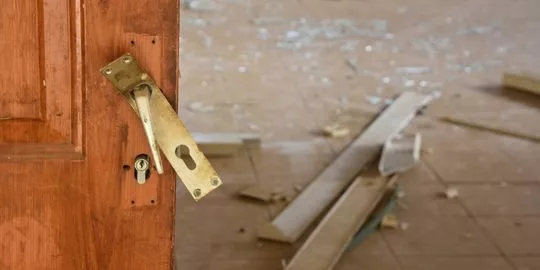
People commit burglary for many reasons; money is often a motive. However, some burglars may be motivated by other factors, or they may also be repeat offenders. The consequences of burglary can include damage to the property, including broken windows as well as people being hurt if there’s an altercation between the burglar and another resident who lives at the property.
The Solution: What Is An Intruder Alarm System?
An intruder alarm is a device that makes a loud siren when it detects motion or sound when you’re not in the building. Also known as burglar alarms, these security devices are suitable for domestic, commercial and retail properties.
Intruder alarm systems are a great way to secure your home or business without having to spend a lot of money on additional security measures.
The Benefits Of An Intruder Alarm
The core benefit of an intruder alarm system is providing extra protection to your property. If an unwanted presence triggers the alarm, it will instantly sound an alert.
Intruder alarm systems are designed solely to improve domestic and commercial security. Whilst the owner is absent from the premises, intruder alarms will sound when sensors detect unwanted movement. Upon the owner’s return, burglar alarms can then be disarmed with a unique four-digit code.

Intruder Alarms Protect Contents
Your intruder alarm system also protects your contents from theft.
If a burglar breaks in and attempts to steal your belongings, they will be greeted with an alarm that alerts you to the problem. This gives you the opportunity to call the police and hopefully catch them before they can escape with your possessions.
Intruder Alarms Reduce Insurance Premiums
An intruder alarm can reduce your insurance premium.
This is because having an alarm installed reduces the risk of burglary, which in turn reduces liability and risk. You may also be able to secure discounts on insurance policies if you have a monitored intruder alarm installed.
Intruder Alarms Protect People
Alarms can alert you to a break-in and provide a warning that someone is in your home.
Intruder alarms follow the same safety concept as fire alarms – they quickly identify developing threats and alert you immediately. This allows you to protect yourself and others by getting out of danger. In some cases, an intruder alarm system will diffuse the danger altogether as the sound acts as a deterrent, drawing attention to your property and the intruder attempting to gain access.
Intruder Alarms Deter Crime
One of the best benefits of an intruder alarm is that it will deter crime.
If you have an intruder alarm installed in your home, it will make your home less vulnerable to burglary or theft. In the same way, locking your house adds an extra layer of protection; intruder alarm systems prevent unwanted guests from simply gaining access to your house.
Theft can strike at any time. In fact, break-ins surge at night when home occupants may be sleeping. Never leave your home vulnerable. A visible burglar alarm system is far more likely to deter someone from committing a crime than those who have no system at all.
Intruder Alarm Components
Intruder alarm systems are a combination of detection and deterrent components.
Components are connected via a control panel and are designed to deter and detect intruders. For example, the main components include sensors, sounders and external communications devices.
Sensors should be located around property entry points to instantly alert and sound. Loud alarm sirens are often enough to deter a burglar from staying too long on the property.
Overall, considering these systems are typically inexpensive, it’s the perfect way to protect your premises.
The Intruder Alarm Siren
The sirens in every intruder alarm system are vital when alerting neighbours to the break-in and drawing attention to the burglar.
Intruder alarm sirens can be used to alert people of a threat, scare off intruders or simply notify people of a possible threat. For example, if you hear someone trying to break into your building after activating your security system, an alarm will notify everyone in the area of a possible threat.
An intruder alarm siren will automatically alert law enforcement and emergency services when it detects an intruder. This removes the pressure and stress of monitoring your property 24/7. All you have to do is stay safe.

Intruder Alarm Siren Volume
The core benefit of a good outdoor siren is that you can hear the warning from a distance.
External sirens sound 85dB at a minimum, similar to that of a busy road. Many burglar alarm sirens sound at 120dB, which is similar to a police siren.
The intruder alarm sounds and lights flash as soon as there is movement near one of its sensors (such as door/window sensors). If there are no threats detected by the system, it will go back into standby mode within 15 seconds after sounding its initial warning tone and flashing its lights.
Intruder Alarm Siren Installation
Installing your siren correctly is essential for maximum protection and a strong visual deterrent. Follow these simple steps to achieve a professional result while ensuring your property stays secure.
Key Placement Factors:
1. Visibility – Position the siren where it’s clearly seen by passers-by to signal your property is protected.
2. Inaccessibility – Mount it high enough to keep it out of reach from intruders or vandals.
Most sirens include a built-in spirit level to help you align perfectly for a clean, professional finish.
Tools You Need to Install an Intruder Alarm
- A ladder.
- A drill.
- A crosshead screwdriver.
- Spare wall plugs.
An external burglar alarm siren, pictured below, is a siren that must be located on the outside of the premises for maximum effect.
The Intruder Alarm Sensors: How Does it Work?
PIR sensors work by detecting infrared light from a moving person.
This infrared light is given off by a moving object or person that emits heat. Door and window sensors are used to detect when a door or window is opened. These can be connected to the control panel or a keypad, and can also be used with other sensors to trigger an alarm. Typically, they are battery-powered.
Intruder Alarm Sensors Installation
Installing intruder alarm sensors is quick and straightforward when done correctly.
For optimal performance, mount each sensor approximately 7 feet (2.1m) above the floor and ensure there is at least 2 cm of clearance from the ceiling to avoid interference.
1. Choose the ideal location – Position the sensor where it has a clear view of the area you want to protect.
2. Mark the spot – Use a pencil to mark where the screws or adhesive strips will go.
3. Secure the sensor – Attach it firmly to the wall using screws for a permanent fit, or strong adhesive strips for a no-drill installation.
Once installed, test your system to confirm the sensor is detecting movement as expected.
Where To Start With Burglar Alarm Sensors
After you’ve decided which burglar alarm sensors are right for your home, you can move on to setting them up and testing them. We suggest starting with the control panel and then adding additional devices as needed.
Once everything is set up and tested, you will be able to rest easy knowing that if something happens in your home while you’re away, an alert will immediately be sent to the police department or security company where you have an active monitoring plan.

The Intruder Alarm Control Panels
The control panel serves as the brain of an intruder alarm system.
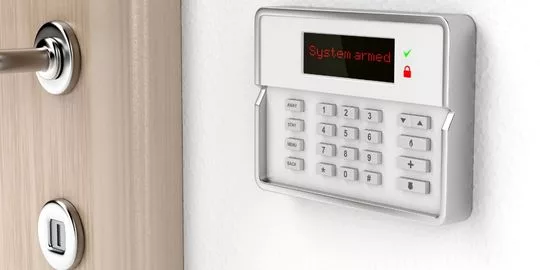
A central control panel can be self-installed if the DIY installer is confident in their abilities. These panels typically feature a keypad and LCD screen for arming and disarming the alarm, viewing detection alerts, and reading fault codes.
The keypad is the most common type of control interface. It allows you to arm and disarm your system quickly and is generally easy to install. Ideally, it should be placed in a central location for convenient access by all household or business members.
Keypads often work alongside sensors such as motion detectors, glass break detectors, and door and/or window contacts. When an intruder enters the premises without permission, these sensors trigger the alarm to alert you.
The Cost Of UK Burglar Alarms
In the UK, typical burglar alarms cost in the region of £125 – £750.
However, when deciding which intruder alarm system to invest in, be careful not to only consider price. In some cases, the price isn’t necessarily important as the intruder alarm itself will drastically reduce your home insurance costs.
The 4 Key Reasons for False Alarms in Your Intruder Alarm System
False alarms are unfortunately likely to happen at some point with any intruder alarm. But what causes these false alarms?
With intruder alarm systems being specially designed to alert others to unwanted visitors attempting to gain access, the system can easily be tripped by the homeowner, children or surprise guests.
To prevent false alarms, it’s crucial to have a good security system installed in your home. If a professional is installing your system or if you’re installing it yourself, make sure they know how to properly set up the alarm and teach your staff how to use it.
Here are some common reasons why your system might go off when nothing is actually happening.
1) Intruder Alarm Sensors Not Recognising Pets
The sensors used with intruder alarms do not recognise pets.
If you have a pet, you will need to adjust the settings of your intruder alarm so that it does not respond to your pet’s movements.
You should also be careful where you place the sensors; they should not be placed too close to the floor or any other low area where a pet may pass through them. Security companies can help with adjusting this setting if you are having problems with false alarms.
2) Intruder Alarm Systems With Low Battery
If you’re getting a lot of false alarms, it might be time to replace the batteries.
A security system that uses batteries may require you to replace them more often than you realise. This is because security systems use a lot of power and the batteries can drain easily. Following the replacement of your batteries, remember to check all sensors.
3) Poor Installation of The Alarm or Sensor
The most common reason for false alarms is poor installation.
The security system may have been installed improperly, or it could be malfunctioning because of poor wiring. If you have a wired system and get false alarms, check for loose wires and broken connections.
Poor installation can be detrimental to the effectiveness of your intruder alarm system. You may become unable to trust the alarm, or some features may be compromised altogether. The solution? tailored intruder alarm installation services that install your alarm where you need it the most.
4) Insects Affecting the Intruder Alarm
Insects are one of the most common culprits for false alarms. They can set off an alarm by landing on the motion sensor and moving out of it.
Spiders are a common problem with triggering false burglar alarms, especially during the summer months. The heat emitted by burglar alarm sensors attracts spiders and they will often climb onto the sensors in search of a warm spot. This causes problems for the intruder alarm system as the spider’s body may act as a physical obstruction to the sensor, preventing it from detecting movement and activating your alarm.
Insects can affect burglar alarms in many ways. They can damage sensors, they can damage wiring and they can cause false alarms to go off.
Home Burglary Crime Statistics
In 2022, there were 192,060 home burglaries reported in England and Wales. This worked out as a burglary every 164 seconds. These statistics might sound scary, but the solution is simple. Intruder alarm systems ensure your property is safe.
As a property owner, you have a responsibility to protect your property and employees from criminal activity. The 2021 Commercial Victimisation Survey (CVS) “estimated that 38% of business premises (151,000 premises) in the Wholesale and retail sector in England and Wales had been a victim of crime between April 2020 and March 2021, which was similar to the 2018 prevalence rate (40%), though lower than the 2012 prevalence rate (53%)”.
Crime is a serious problem that affects many property owners. The most common types of crime that affect property owners include burglary, theft and arson.
Conclusion – Are Intruder Alarms Enough to Protect Your Property?
With theft on the rise, now is more crucial than ever to stop your property from being vulnerable to outside threats. Intruder alarms are not the only security solution available. However, they do create an extra barrier against theft, vandalism and unwanted visitors.
Ultimately, intruder alarm systems should not be solely relied on to protect your property. Investing in an alarm cannot replace the need for good security. It is still important to have a lock on your front door and make sure that you have some form of identification with you at all times. The best way to protect yourself from intruders is by keeping your home well-lit, making sure it looks occupied during the day and not leaving valuables in plain sight inside or outside the house.