Fire Protection
Fire Alarm Systems
Request a Call Back - Fire Alarm Systems
Very different to an intruder alarm, a fire alarm is a device that senses smoke, heat or flame and alerts occupants of the building by sounding an audible signal. It can be battery-powered or hardwired into the building’s electrical system.
Having a working and regularly serviced fire alarm is one of the most effective ways to protect your premises and staff from fires. At OHEAP, our qualified and accredited engineers will design, install, test and service the best fire alarm systems for your premises.
What We Offer
Fire Alarm System Design
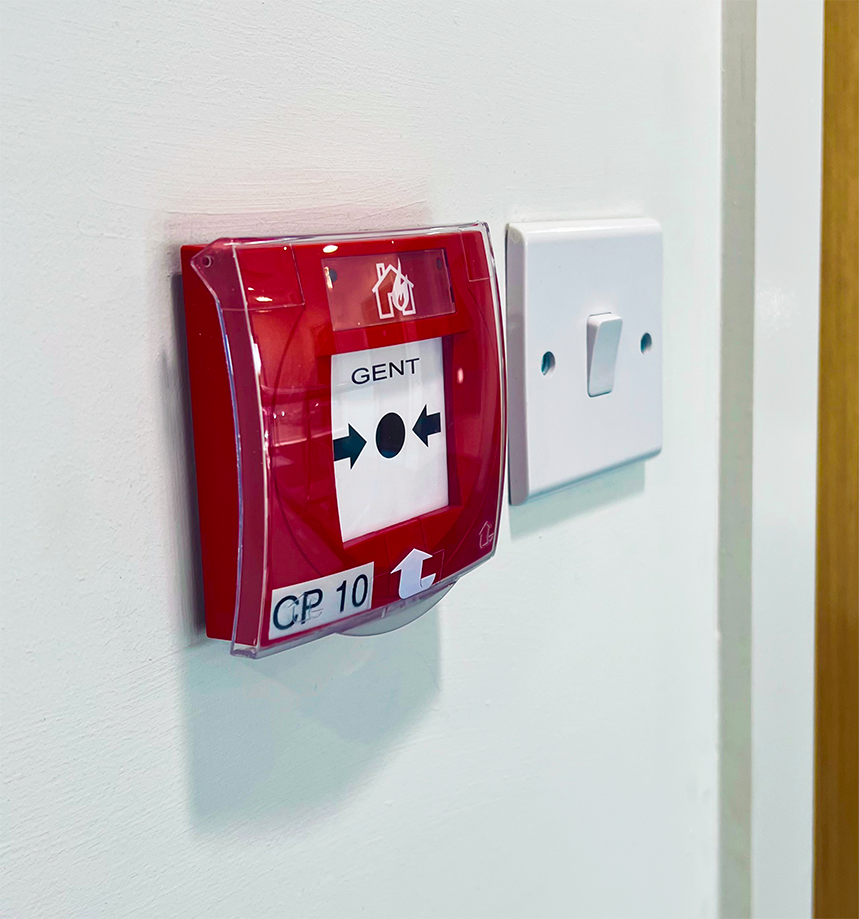
If you are looking to have a fire alarm or emergency lighting system installed in your premises, then our specialist fire alarm engineers can help. Our system design will be completely bespoke to your premises. All our designs are completed in line with British standard BS 5839-1:2025. The Regulatory Reform Order (2005) outlines the legal duties for managing fire safety, while the design guidance is set out in Approved Document B.
Whatever your fire risks, we will assess them and advise you on the best options to protect them. We will work with you to understand the needs of your environment to develop a fire alarm system that will protect it.
We will also incorporate any other fire protection systems that are automatically triggered. These specialist systems include kitchen suppression or automatic fire extinguishers.
Designed specifically for your business
Designed in line with British Standards
Carried out by certified engineers
Fire Alarm Installation
When it comes to installing your new alarm or emergency lighting system, we’ll work around you. We’ll book your installation on a day that suits you and aim to install it discreetly with minimal disruptions to your business. OHEAP are BAFE and NSI Gold certified, so that you can be sure of a quality and professional service.
Our fire alarm installations are project-managed by electrical experts who inherently understand the need to minimise disruption whilst attaining the highest standards.
During your installation, our engineers will advise you on the requirements for regular servicing for your specific system.
Carried out by certified engineers
Installed to British Standards
Carried out with minimal disruption
Fire Alarm Servicing
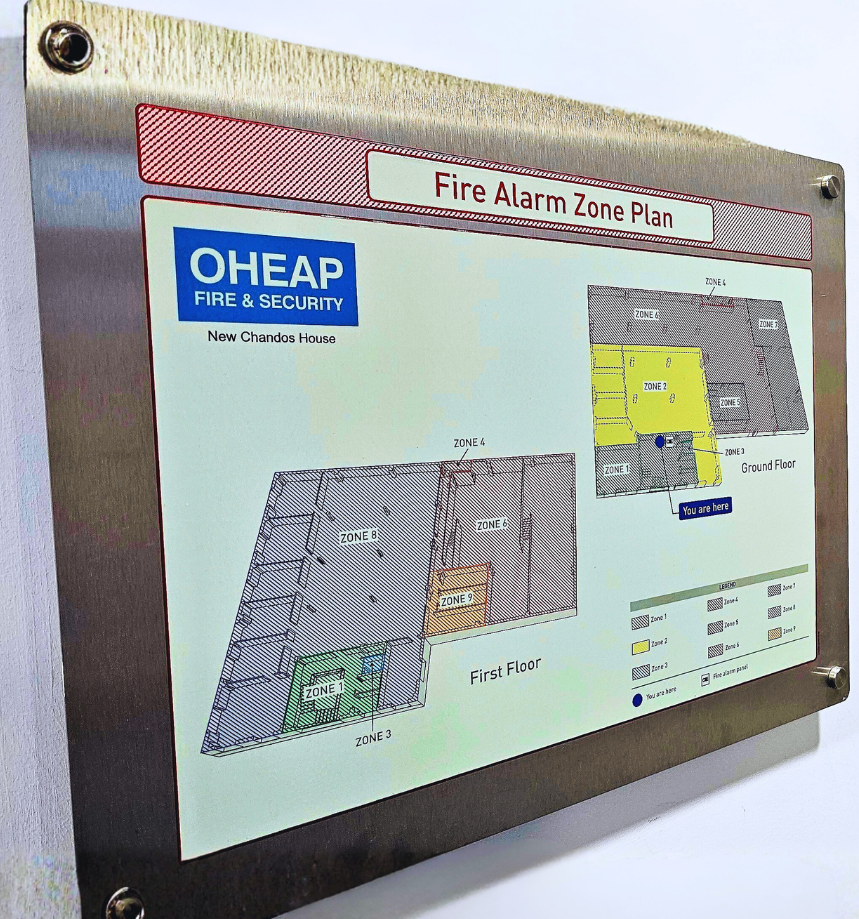
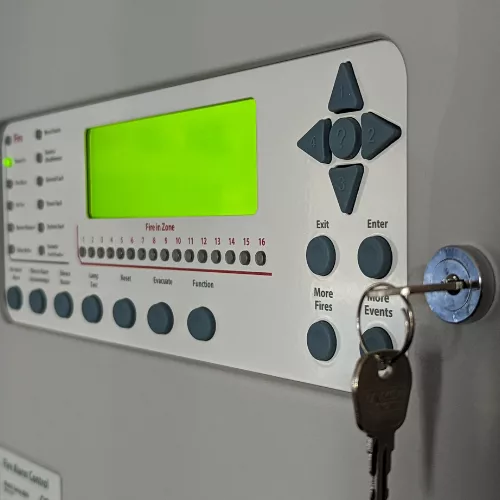
As a BAFE accredited company, our engineers can service any new or existing fire alarm or emergency lighting system on your premises. Working around you and your staff, our engineers will carry out all servicing, whilst you continue managing the day-to-day running of your business.
Fire alarm systems require quarterly or six-monthly servicing. This is to ensure every element of your fire alarm and emergency lighting system is in full working order. This is essential as you never know when a fire emergency could happen, and without a fully working fire alarm, you may restrict evacuation and rescue efforts.
Serviced inline with British Standards
Carried out with minimal disruption
Organised around your schedule
Fire Alarm System Monitoring & Keyholding Service
We offer a full, 24/7 fire alarm monitoring service which uses a central control centre to monitor any triggers or alerts from your fire alarm system.
If your alarm goes off, whether it is a false alarm or a fire emergency, we can alert your nominated keyholder or provide a full keyholder service.
Whether you have an empty building, a high-risk environment, or premises that need to be monitored, we can help.
Without monitoring and key-holding, you will have to attend all fire alarm triggers either yourself or through a system of staff on a rota. This could potentially put you and your staff in danger. Or make them tired and unable to work if a callout during a night trigger. This could cause a lack of productivity.
Our monitoring and keyholding service means an experienced professional will attend a trigger and know exactly how to handle the situation and when to call the emergency services.
24/7 monitoring control centre
Keyholder service available
Full report emailed within an hour of callout

Frequently Asked Questions
What Is A Conventional Fire Alarm?
Conventional fire alarm systems are a popular choice for small to mid-sized facilities that do not require advanced features, such as addressability. A conventional fire alarm system utilises hard wiring to connect each initiating device to the control panel.
The main advantage of conventional systems over addressable ones is cost. Conventional systems can be installed at a much lower cost than their addressable counterparts.
What Is An Addressable Fire Alarm?
An addressable fire alarm system is a type of fire detection system that can be programmed to recognise specific devices within the network. This allows for quicker responses and more efficient troubleshooting.
Addressable systems typically consist of a central control panel and individual devices that are connected together by wire or wireless technology. Each individual device has its own unique address, making it easier to identify the exact device that has been activated in the event of an emergency.
The primary advantage of an addressable fire alarm system over conventional systems is that it makes it easier to pinpoint where the issue occurred in case of emergency situations, especially if multiple devices have been activated at once or if one device fails repeatedly.
What Is A Wireless Fire Alarm?
A wireless fire alarm is a type of smoke detector that uses RF radio waves to send messages from one alarm to another. These devices are often used in commercial buildings where wiring is more difficult or may affect building structure. When a wireless fire alarm detects smoke or heat, it sends a message over the radio frequency so that other nearby devices can be alerted as well. This allows the alarms to work together to give you more coverage than traditional wired devices alone would provide.
Accreditations
We work with several third-party bodies to ensure we work to the highest industry standards.




Get A Quote
PAGE: Fire Alarms
Fire and Security System Insights
OHEAP Fire & Security to Attend Derby Business Expo 2026
On 14th May 2026, OHEAP Fire & Security are proudly supporting this year’s Derby Business Expo 2026. As a long-standing member of the Derby business community, their attendance will be an excellent opportunity to showcase their award-winning safety and protection...
What Is a Fire Marshal? Role and Training Explained
A fire marshal is a trained staff member responsible for supporting workplace fire safety before, during and after an emergency. Their duties typically include identifying fire hazards, checking escape routes, supporting evacuation procedures, assisting staff and...

Class L Introduction: Fire Industry Update
In February 2026, the FIA introduced Class L into the latest edition of BS ISO 3941, formally recognising lithium-ion battery fires as a distinct fire classification. This update acknowledges what fire safety professionals have long understood: lithium-ion battery...

7 Security Trends Redefining Buildings in 2026
Security threats and compliance requirements are continuing to evolve. 2026 is set to redefine how project management and architecture can protect people, assets, and operations. Integrated security systems are transforming industries. Architects and building...

Hospitality Fire Safety: Learning From Tragedy
Learning from Tragedy: Strengthening Fire Safety in Hospitality Venues On January 1 2026, a devastating fire tore through a basement bar in Switzerland during New Year’s Eve celebrations. Tragically, more than 40 people lost their lives, with a further 116 injured....
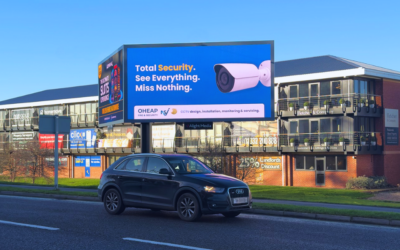
OHEAP Launches Digital Billboards Across Derby
Local Derby Business Grows Beyond Derbyshire OHEAP Fire & Security is proud to announce the launch of eight outdoor digital advertising billboards across Derby, marking an important milestone in the company’s continued growth. Live from the beginning of December,...