
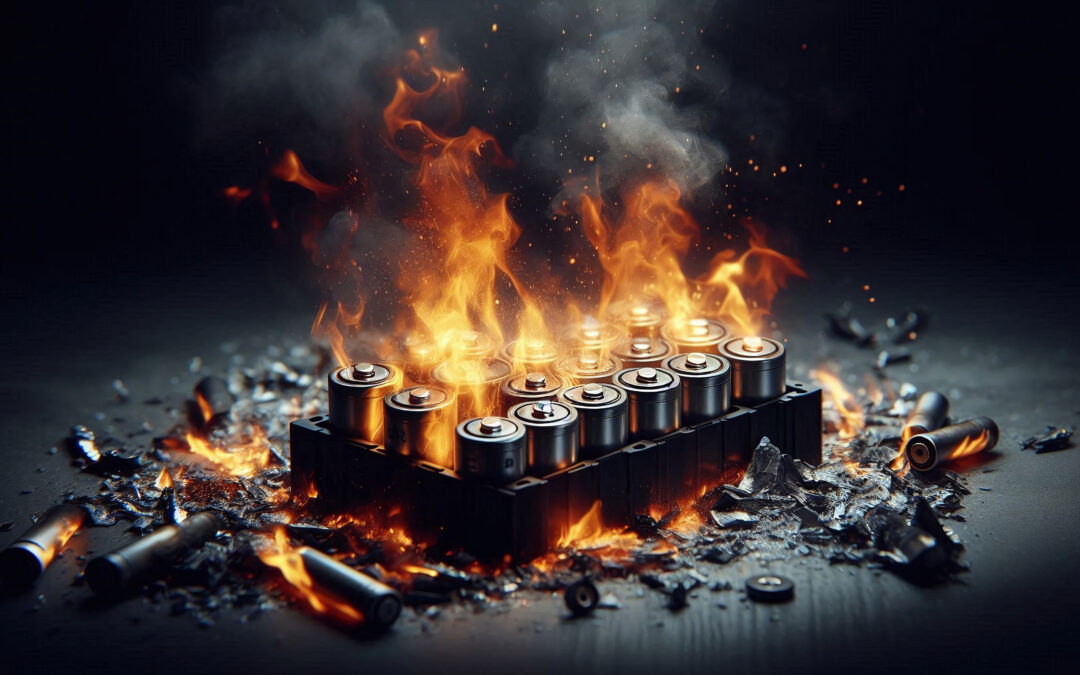
In February 2026, the FIA introduced Class L into the latest edition of BS ISO 3941, formally recognising lithium-ion battery fires as a distinct fire classification.
This update acknowledges what fire safety professionals have long understood: lithium-ion battery fires do not sit comfortably within traditional Class A, B or D categories. Their behaviour, intensity and re-ignition risk demand specific consideration.
OHEAP Fire & Security welcomes this clarification and is guiding UK businesses through its practical implications.
Why Class L Matters?
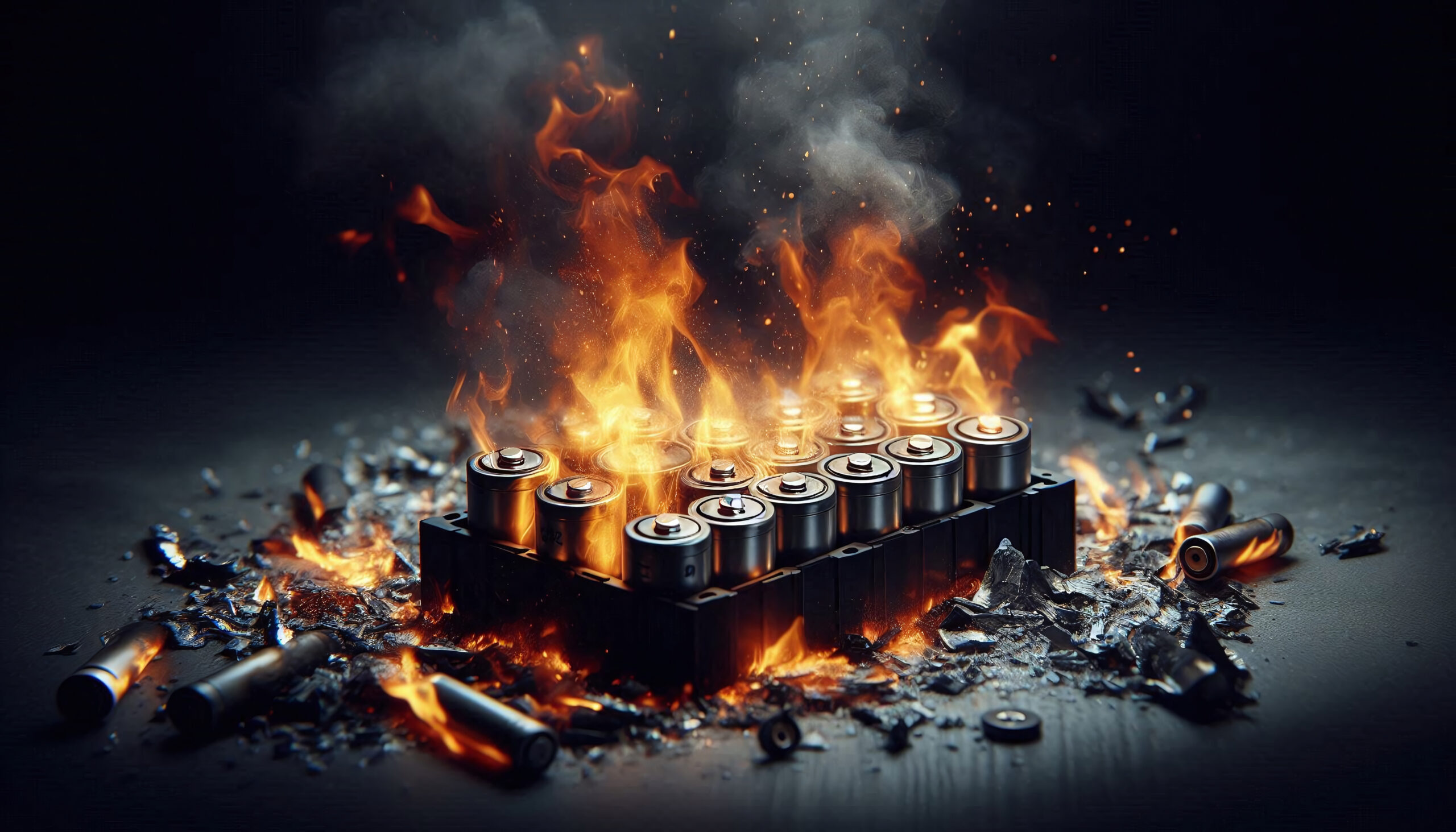
Lithium-ion batteries present a unique fire profile. High energy density, rapid heat escalation, toxic gas release and the risk of thermal runaway distinguish them from conventional solid, liquid or metal fires. Crucially, the hazard can persist even after visible flames are suppressed.
The introduction of Class L reflects the growing presence of battery technology across warehousing, logistics, manufacturing and commercial environments. As reliance on charging systems, electric vehicles and battery-powered equipment increases, so too does the need for precise risk assessment.
What Class L Does (and Does Not) Change
Class L does not introduce new UK legislation or mandate immediate equipment replacement. Lithium-ion fire extinguishers will continue to remain an effective tool against Class L fires (only, though, if the fire is caught at the earliest stage). It does, however, provide a clearer framework for how lithium-ion risks should be assessed, specified and managed.
Standards influence best practice, procurement decisions, insurer expectations and ultimately regulatory direction. By defining lithium-ion battery fires separately, the industry now has the technical language needed to guide extinguisher testing, suppression development and fire risk assessment methodology.
In short: Class L gives the fire industry the exact term to describe the growing and complex hazard of li-ion fires.
Get a Fire Risk Assessment Quote
Combatting Class L Fire with Proactive Fire Safety
While specialist suppression solutions for lithium-ion battery fires continue to develop, effective risk management begins with assessment. Fire blankets may assist in very early-stage incidents, but containment does not eliminate internal thermal runaway. In most cases, the battery unit itself will be irreparably damaged once ignition occurs. The priority, therefore, is prevention, segregation and response planning.
OHEAP Fire & Security is actively reviewing lithium-ion risk within customer environments, ensuring fire risk assessments reflect safe battery storage and charging arrangements. Additionally, emergency response planning and staff awareness are key steps in supporting Class L fire risk management.
Charging areas and warehouse vehicle storage require particular scrutiny. Equipment is often positioned deep within facilities, increasing detection and response times. Clear procedures and confident staff response are critical.
OHEAP Fire & Security’s Perspective: Prepared, Not Reactive
OHEAP Fire & Security sees the introduction of Class L as a natural progression in fire safety standards.
“Class L is not about panic,” says Managing Director Nicholas Heap. “It is about precision. Lithium-ion batteries introduce specific risks that require informed, proportionate safety measures. Our role is to ensure customers understand those risks and address them strategically.”
With more than 60 years of industry experience, OHEAP Fire & Security continues to translate technical change into practical, cost-effective action for UK organisations.

What Should UK Businesses Do Now?
There is no requirement for reactive spending. There is, however, a clear case for proactive review of lithium-ion battery fire risk management.
Organisations should reassess fire safety where lithium-ion batteries are present, ensure the risks and associated risk management strategies are in place. High staff turnover and regular visitor access make clear training essential wherever there is a heightened fire risk.
Ultimately, early planning reduces disruption, strengthens resilience and ensures alignment with evolving standards.