Blog Overview:
Fire blankets are one of the most straightforward yet essential tools in your fire safety arsenal. A fire blanket is a fire-resistant sheet, typically made from specially treated fibreglass, wool, or similar materials. They are used to smother small fires by cutting off oxygen (one key element of the fire triangle).
In this guide, you’ll learn:
- The purpose and benefits of a fire blanket
- How they work and which fire triangle element they remove
- When and how to use one safely for fire protection
- UK legal requirements for fire blankets
- Best practices for installation, inspection, replacement
- Common mistakes and safety tips
With this knowledge, you’ll better protect your premises, staff and property.
What Is A Fire Blanket?
Fire blankets are a vital fire safety tool in kitchens and workspaces.
This fire equipment offers a quick, clean, and effective way to tackle small fires. Compared to fire extinguishers, they:
- Don’t use chemicals or aerosol sprays
- Avoid mess or spread of burning liquids
- Are simpler to use instinctively under stress
- Are effective in scenarios (for example, against hot oil fires) where extinguishers can worsen the hazard
In short: when deployed properly, a fire blanket can stop a fire before it escalates. Therefore, every UK business and household should include a fire blanket as part of their wider fire safety plan.
Expert Advice: UK fire blankets cannot extinguish large or out-of-control fires. In such cases, you must evacuate the area immediately and call the fire department.
How Does A Fire Blanket Work?
UK fire blankets work by:
- Smothering the fire
- Cutting off its oxygen supply
Every fire depends on three elements within the ‘fire triangle’: heat, fuel, and oxygen. Remove one and the fire dies out. A fire blanket works by removing oxygen, smothering flames and halting combustion. In effect, it forms a barrier that cuts off the air supply. This is especially useful for:
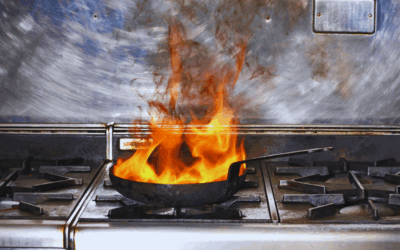
- Small pan or oil fires in kitchens
- Small waste or bin fires
- Clothing fires
Because a fire blanket doesn’t introduce water or chemical agents, it’s ideally suited for delicate or contained settings.
When Should You Use A Fire Blanket
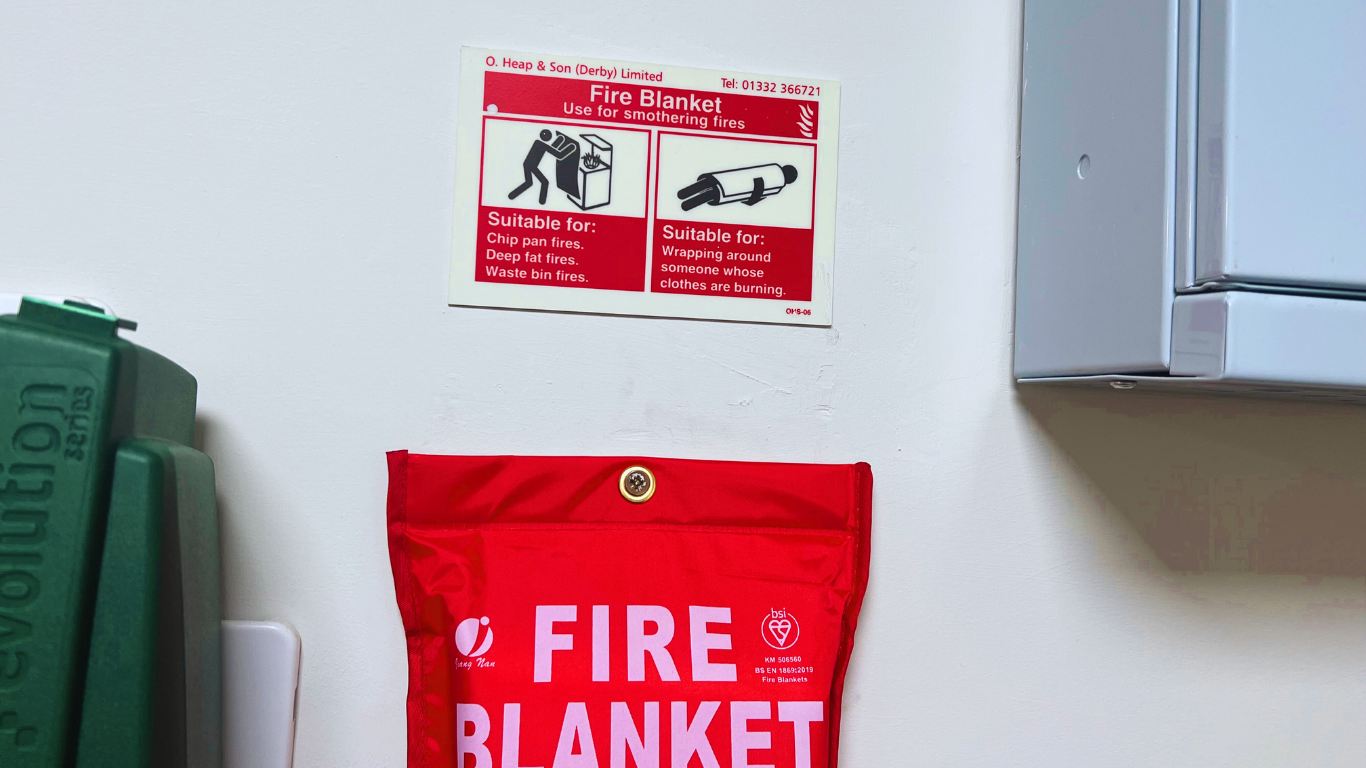
Fire blankets are most effective when used on small, contained fires that are safe to approach. Common uses include:
- Kitchen fires, especially involving hot oil or fat (Class F fires)
- Small fires in waste bins or on surfaces
- When someone’s clothes set on fire (in this emergency, you would wrap the person in a blanket to smother the flames)
These are scenarios where a kitchen fire blanket or general-purpose fire blanket can shine. But there are limits.
When Fire Blankets Should be Used
- The fire is small and still contained
- You can safely approach the fire
- You have a suitable size of blanket to cover the entire fire
When Fire Blankets Cannot be Used
- Electrical fires: Instead, use a CO2 extinguisher.
- Gas fires (Class C): Use a dry powder (ABC) extinguisher.
- Metal fires (Class D): Use a specialist Class D extinguisher.
Remember: If a fire is beyond control, evacuate immediately and call the fire services.
How to Use a Fire Blanket
Using a fire blanket correctly can make all the difference in an emergency. Here’s a simple step-by-step guide:
- Turn off the heat source (if safe to do so). This helps prevent reignition once the flames are extinguished.
- Pull the tabs on the fire blanket’s container to release it quickly.
- Protect your hands by wrapping the top edge of the blanket over them, or wear fire-retardant gloves if available.
- Hold the blanket in front of you as a shield and approach the fire slowly.
- Drape the blanket gently over the flames, starting from the edge nearest to you, to avoid pushing air into the fire.
- Leave the blanket in place until the fire has completely cooled. Do not remove it too soon, as this can allow oxygen to reignite the flames.
If someone’s clothing catches fire:
- Wrap the person tightly in the blanket.
- Encourage them to stop, drop, and roll to extinguish flames.
- Seek medical attention immediately.
What to do After Using a Fire Blanket?
After using a fire blanket, it must be disposed of and replaced. Once it’s been exposed to flames, the material is no longer reliable for future use. Do not attempt to refold or reuse it. Instead:
- Dispose of the used blanket in accordance with local waste regulations.
- Replace it immediately to maintain fire safety readiness.
- Record the replacement date for your fire safety log.

Where Should Fire Blankets Be Located?
Accessibility is key. Your fire safety equipment must be located where it can be reached quickly and safely during an emergency.
Best practice for placement includes:
- In kitchens, but not too close to the stove or fryer and ideally near an exit.
- In workshops or laboratories, near potential fire hazards but away from ignition points.
- In high-traffic or visible areas, with a clear fire blanket sign marking its location.
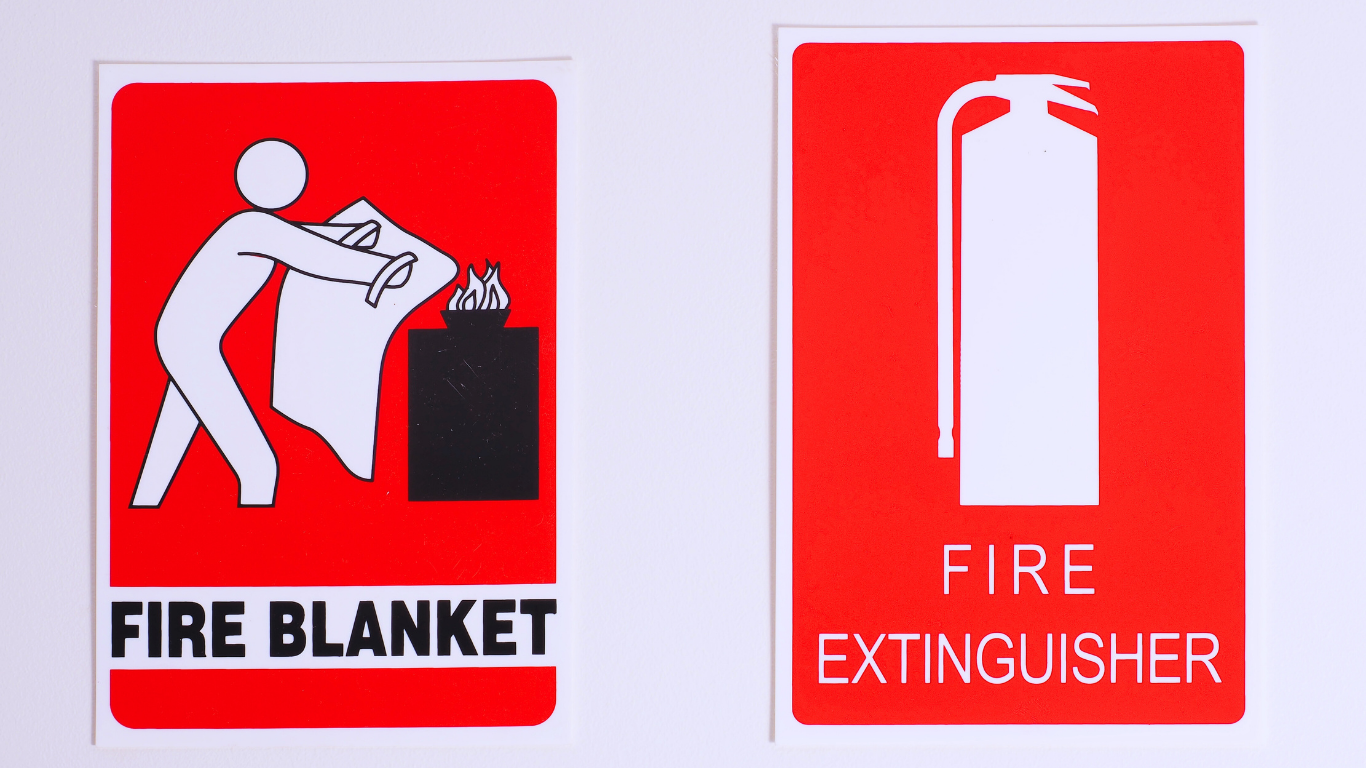
Fire blanket signs are a critical part of workplace fire safety. They help ensure that every person from staff and guests to contractors can quickly identify where the blanket is stored, even in low visibility or high-stress situations.
How to Install a Fire Blanket?
Installing a fire blanket is straightforward, but correct placement can save lives.
- Mount it on a wall at eye level, using the manufacturer’s instructions.
- Ensure it’s clearly visible and unobstructed.
- Avoid installing it directly above potential fire sources, where it could be difficult to reach during a blaze.
Expert tip: Regularly check that your fire blanket’s container is properly sealed, undamaged, and clearly marked. A missing or unclear fire blanket sign can delay response time in an emergency.
Need A Fire Safety Risk Assessment?
British Fire Blankets Standards
In the UK, fire blankets must comply with BS EN 1869:1997, the British Standard for fire blankets used in domestic and commercial environments.
This standard specifies that fire blankets should be made from materials capable of withstanding high temperatures and be tested for effectiveness. Sizes typically range from:
- 1m x 1m (suitable for domestic use)
- 8m x 1.8m (for larger fires or commercial settings)
Always check for the BSI Kitemark or equivalent certification when purchasing a fire blanket to ensure compliance with UK fire safety regulations.
How To Extinguish A Fire With A Fire Blanket
Once you’ve determined that it’s safe to do so, use a fire protection blanket to snuff out the blaze. Make sure that your team understands how these devices work by practising with them until they feel comfortable using one in an emergency situation.
Firstly, in the event of a fire, aim to turn off the heat source if it is safe to do so. Once this has been done, locate the fire blanket and you’ll notice on the bottom of each blanket, there are two tabs. To remove a blanket from its packaging, forcefully pull with both hands simultaneously on the tabs at opposite ends. Keeping the fire blanket in front of you, either roll the blanket over your hands if possible or use fire retardant gloves to protect your hands from the smoke and heat. Gently drape the blanket over the fire whilst keeping your face at a good distance from the flame. Start with the flames edge that is closest to you. This will ensure the flame doesn’t spread towards your body.
If you weren’t able to initially switch the heat source off at the start then please do this as soon as physically possible.
Why Every Kitchen Should Have a Fire Blanket
Kitchens are high-risk zones:
- Over 60% of domestic fires in the UK begin in the kitchen
- Chip pan fires are a notorious culprit, affecting thousands of businesses every year
- Traditional extinguishers can worsen oil fires because sprays may scatter flaming oil
- A kitchen fire blanket offers a safer, direct response for grease and fat fires
For these reasons, it’s common to see kitchens equipped with both a fire blanket and an extinguisher. This equipment should always be located at easily accessible positions and clearly signed.
Expert tip: A number of kitchen fires are caused by grease, gasoline and oil so pouring water on these flames can make matters worse. Instead, equip your kitchen with a specialised Class F fire extinguisher.
Need A Fire Safety Risk Assessment?
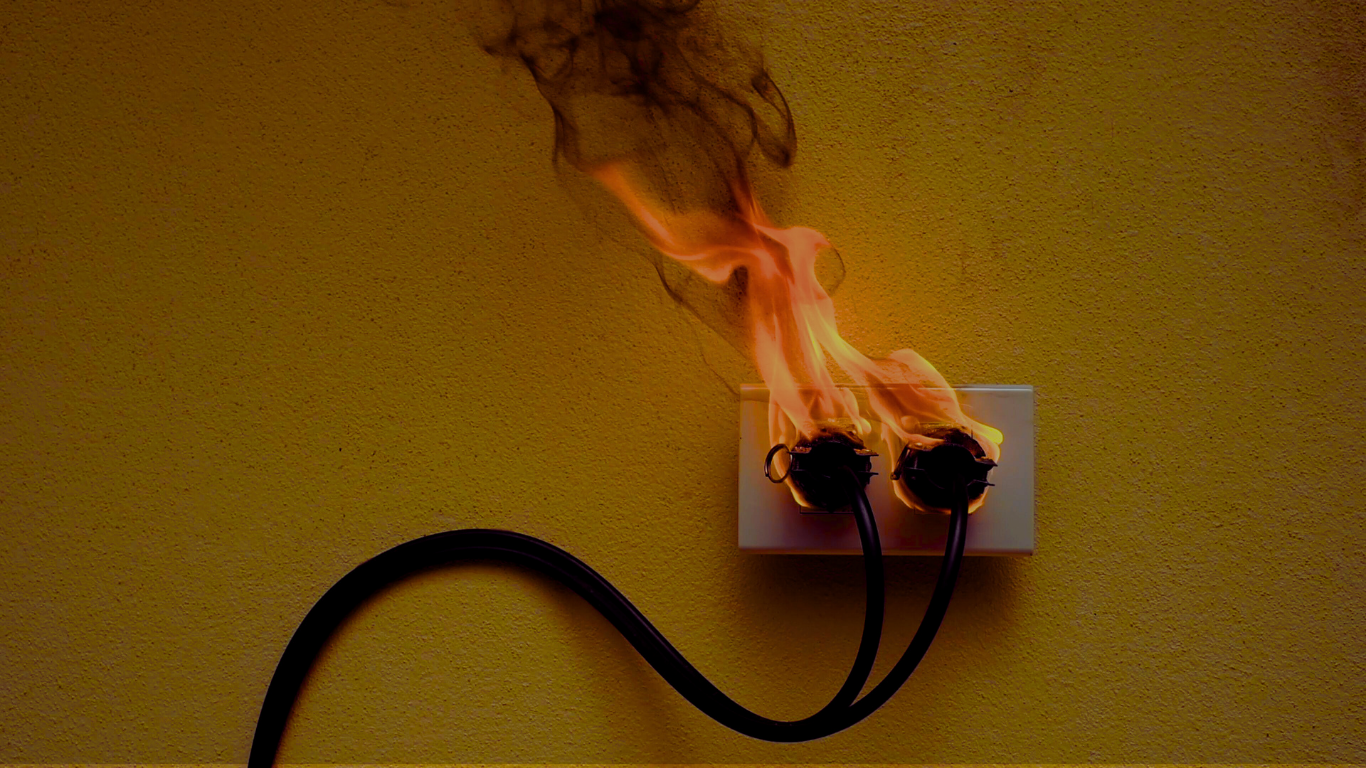
Steps To Reduce the Risk of a Kitchen or Electrical Fire
To reduce the risk of an electrical or cooking fire, the first and most important step is to make sure that you have a working smoke alarm in your home. Smoke detectors are a lifesaver, as they can detect smoke from even the smallest fire in your home before it becomes too late.
In addition to having a smoke alarm, it’s important to regularly check your electrical outlets and appliances for any signs of damage or wear. Make sure that all of your appliances are plugged into properly grounded outlets.
Additional Fire Safety Tips for Businesses and Homes
- Having the right equipment is only one part of effective fire safety. Prevention and preparedness are just as important.
- Here are some essential tips:
- Install and test smoke alarms regularly.
- Keep electrical equipment well maintained and avoid overloading sockets.
- Clean ovens, grills, and extractor fans to prevent grease buildup.
- Never leave cooking unattended.
- Ensure all staff are trained in fire safety procedures and know evacuation routes.
- Schedule regular fire safety risk assessments to stay compliant and protected.
What element of the fire triangle does a fire blanket remove?
It removes oxygen, cutting off one essential component for combustion.
What Is the Life Expectancy of a Fire Blanket?
Fire blankets can last several years if properly cared for.
Most manufacturers recommend replacement every 5 to 7 years, even if unused.
Should fire blankets be serviced?
Yes. Fire blankets should be inspected monthly and included in annual professional fire safety servicing in business premises.
Can you reuse a fire blanket?
No. You can only use them once. After use the integrity is compromised, and it must be replaced.
What types of fires can they extinguish?
They’re ideal for Class F (cooking oils/fats) and small surface fires. Not recommended for large, electrical, or gas fires.
Conclusion
Fire blankets are an important tool in any home.
They should be stored in a convenient location and used properly when needed. Follow the instructions provided by the manufacturer to ensure that you have the best possible protection from a fire. Be sure to dispose of any used fire blankets properly so that they do not pose a hazard to others in your home or place of business.
If you have questions about how to use your fire blanket, consult the instructions that came with it or ask one of our fire safety experts for advice. Remember: fire blankets can save lives.