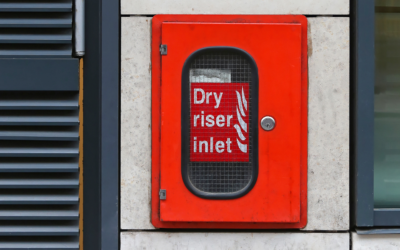
Blog Overview: Automatic Fire Protection in Three Different Systems
Fire safety training is a legal requirement for UK businesses and a critical part of protecting your employees, customers, and property.
Whether delivered on-site or through online fire safety training, the purpose is the same: to reduce fire risk, improve fire safety awareness, and ensure staff know exactly what to do in an emergency.
From basic fire awareness training for all employees to specialist fire warden training and fire marshal training courses, businesses must ensure the right level of instruction is provided based on workplace risk. Effective fire safety at work not only ensures compliance but also builds confidence, reduces disruption, and can ultimately save lives.
What Is Fire Safety Training?
Fire safety training is a structured programme designed to educate employees on preventing fires, identifying hazards, responding appropriately in an emergency, and using fire safety equipment correctly.
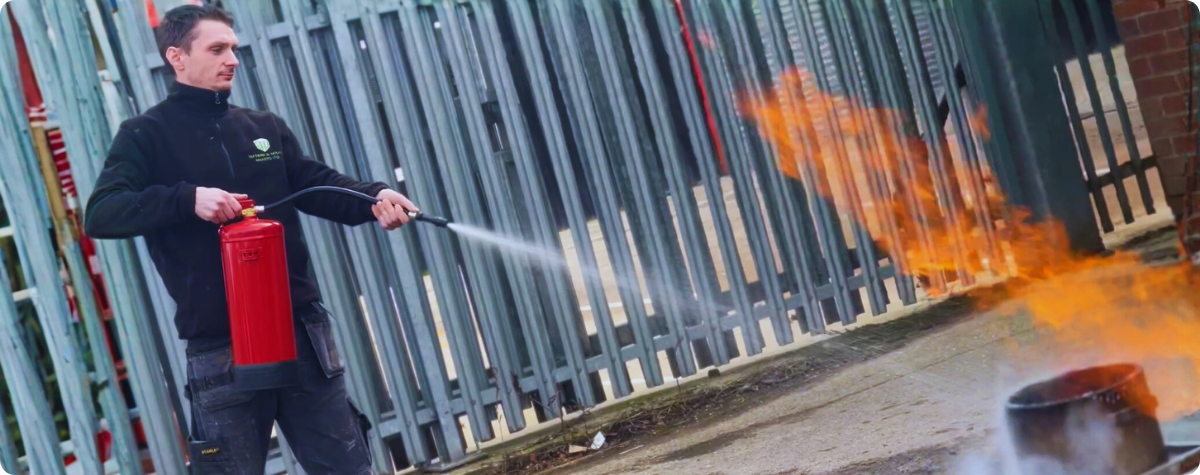
A typical fire safety training course covers fire prevention measures, evacuation procedures, participation in fire drills, and practical fire extinguisher training. It ensures that employees understand how fires start, how they spread, and how to act quickly and safely if an incident occurs.
Depending on the workplace, training may range from general fire safety awareness training for all staff to more advanced instruction for designated personnel such as fire wardens or marshals.
What Is the Goal of Fire Safety Training?
The goal of fire safety training is to educate individuals on the proper procedures and techniques for preventing and responding to fires.
Fire safety training aims to provide people with the knowledge and skills necessary to identify potential fire hazards, take appropriate measures to prevent fires from occurring, and respond effectively in the event of a fire. The specific goals of fire safety training may vary depending on the audience and context, but generally include:
- Awareness: To increase awareness of fire hazards and how they can be prevented.
- Preparedness: To teach individuals how to prepare for a fire emergency, such as by creating and practising an evacuation plan.
- Response: To educate individuals on the proper response to a fire emergency, including how to use fire extinguishers, evacuate safely, and assist others who may need help.
- Compliance: To ensure that individuals understand and comply with fire safety regulations, such as building codes and workplace safety standards.
Overall, the goal of fire safety training is to prevent fires from occurring, minimize the risk of injury or death in the event of a fire, and protect property and the environment from fire damage.
What is the Fire Safety Triangle
The fire safety triangle is a model that explains the three elements required for a fire to burn: heat, fuel, and oxygen. If any one of these elements is removed, the fire cannot continue.
The fire safety triangle is useful in understanding the basic principles of fire prevention and extinguishing. By removing any one of the three components, you can effectively control or put out a fire. This is the basis for many fire safety measures, including fire extinguishers, sprinkler systems, and fire-retardant materials.

Is Fire Safety Training Mandatory in the UK?
Yes. Under the Regulatory Reform (Fire Safety) Order 2005, UK employers are legally required to provide adequate fire safety training to their employees.
Training must be delivered when staff first join the organisation and repeated periodically. The frequency of the fire safety training will depend on the nature of the workplace, the level of fire risk, and whether roles or responsibilities change. Higher-risk environments often require more frequent refreshers, particularly for those undertaking fire warden training or a fire marshal training course.
In summary, fire safety training is a legal requirement for businesses in the UK, and employers have a duty to ensure that their employees are adequately trained to deal with a fire emergency. In turn, failure to comply can lead to enforcement action, substantial fines, and serious reputational damage.
What’s Included In Your Fire Safety Training Session?
In order to prevent this from happening, it’s important to practice proper fire safety techniques. Fire safety training courses are designed to equip you with the basic skills and knowledge crucial in dealing with the event of a fire. These courses are also designed to ensure you know how to react quickly and effectively in an emergency situation. Our fire safety training courses are conducted in a fun and interactive way that keeps your attention throughout the course.
This may include:
- What to do if you discover a fire.
- How to locate a fire.
- How to use extinguishers/evacuation routes.
- The best ways of helping people evacuate the building.
- Prioritising vulnerable individuals such as the elderly and disabled.
- The legal responsibilities.
- The common causes of a fire.
- The best ways to prevent a fire.
- How to follow emergency procedures.
Our courses are also designed to ensure you know how to react quickly and effectively in an emergency situation. We use a variety of methods, including role-playing scenarios, lectures and discussion groups. In order to prevent an emergency situation from happening, it’s important to practice proper fire safety techniques. Fire safety training courses are designed to equip you with the basic skills and knowledge crucial in dealing with the event of a fire. The courses are designed to be easy to understand and follow, with a focus on practical application.
Enroll in The Fire Training Academy: Get a Quote
Fire Safety at Work: Creating an Effective Fire Plan
Fire safety training should always be supported by a clear and documented fire safety plan tailored to your organisation.
This plan identifies potential fire risks, outlines evacuation procedures, specifies equipment locations, and details responsibilities during an emergency. It should clearly explain where fire exits and extinguishers are located, how alarms operate, and where assembly points are situated.
1. Create the Plan
Identify the types of fires that could occur in your business. Estimate the size and severity of a potential fire and determine how much time it would take for them to spread throughout your facility. Identify evacuation routes and areas of refuge if people need to stay put until help arrives. Your plan should address all possible scenarios before an incident occurs.
2. Develop the Policy
Once you’ve created your plan, draft a written document that outlines its contents in detail. This is so everyone understands how they’re expected to act during an emergency situation. Include any relevant contact information here as well. If applicable, include who will be responsible for installing new safety features such as alarms or sprinklers.
The 5 Steps of a Fire Risk Assessment
Alongside fire safety training, employers must conduct a fire risk assessment.
Fire risk assessments involve identifying hazards, determining who may be at risk, evaluating and reducing potential dangers, recording findings, and reviewing the assessment regularly.
When staff have completed appropriate fire safety awareness training, they are far more likely to recognise risks early and follow established safety procedures correctly.

How Often is Fire Safety Training Required?
In most workplaces, fire safety training should be refreshed annually. However, certain factors may require more frequent sessions.
Businesses with high staff turnover, increased fire risk, or newly introduced equipment may need additional training. Employees who change roles or take on new responsibilities, particularly those stepping into fire marshal responsibilities, will also require updated instruction.
Specific sectors such as hospitality and care environments may demand more rigorous training schedules, including tailored sessions for night staff.
What Are the Penalties for Not Conducting Fire Safety Training in the UK?
The penalties for not conducting fire safety training in UK businesses can be severe. If a business fails to comply with the fire safety regulations, they could be prosecuted and face fines or even imprisonment in serious cases.
Under the Regulatory Reform (Fire Safety) Order 2005, the enforcing authority, which is typically the local fire and rescue authority, has the power to issue an enforcement notice requiring the business to comply with the regulations. If the business fails to comply with the notice, they could be prosecuted and face fines of up to £5,000 in a Magistrates’ Court or an unlimited fine in a Crown Court.
If the failure to comply with the fire safety regulations results in a fire that causes injury or death, the consequences could be even more severe. In this case, the responsible person or persons could be prosecuted for corporate manslaughter or gross negligence manslaughter, which can result in much higher fines and even imprisonment.
In addition to legal penalties, failing to conduct fire safety training can also have serious consequences for the safety of employees, customers, and the public. In the event of a fire, a lack of training could result in injury or loss of life, damage to property, and disruption to business operations. Therefore, it is essential for businesses to take their fire safety
Does Every Employee Need Fire Safety Training?
Yes, every member of staff must receive basic fire safety awareness training. However, the level of training depends on their role and exposure to risk.
While office-based employees may only require general fire awareness training, supervisors and designated personnel may need fire warden training or a structured fire marshal training course to ensure they can effectively manage evacuations and coordinate emergency responses.
Providing role-appropriate training ensures compliance while strengthening overall workplace safety.
Some other circumstances in which regular training may be required are:
- If there have been regular fire safety-related accidents.
- Many members of staff may simply have not had the appropriate training.
- If you have bought any new pieces of equipment or tools that may produce a fire.
- High turnover of staff or part-timers.
Who Can Provide Fire Safety Training?
Fire safety training can be delivered by accredited private providers, health and safety consultants, Fire and Rescue Services, and specialist fire safety companies.
When selecting a provider, businesses should ensure the training is compliant with UK regulations and delivered by experienced professionals capable of tailoring content to their specific industry needs.
Conclusion: Protecting Your Business with Fire Safety Training
Investing in professional fire safety training is one of the most important steps a business can take to protect its people and operations.
From foundational fire awareness training to advanced fire warden training and practical fire extinguisher courses, providing the correct level of instruction ensures your team is prepared, compliant, and confident.
Combined with regular fire drills and a clear fire safety plan, effective training creates a safer workplace and significantly reduces the impact of potential fire incidents.