
Learning from Tragedy: Strengthening Fire Safety in Hospitality Venues
On January 1 2026, a devastating fire tore through a basement bar in Switzerland during New Year’s Eve celebrations. Tragically, more than 40 people lost their lives, with a further 116 injured. While investigations continue, the incident has become a timely reminder of how rapidly fires can consume busy hospitality settings and how essential proactive fire safety measures are.
This article explores what is currently understood about the cause of the fire and, more importantly, the practical steps bars and restaurants can take to reduce fire risk and protect both staff and customers. The aim is not to dwell on tragedy, but to ensure lessons are learned and applied across the hospitality sector.
Fire Safety Compliance Failures: What Caused the Bar Fire?
Early findings suggest the fire was triggered by sparkler candles attached to champagne bottles, which ignited sound-proofing foam on the ceiling. The foam, made from polyurethane, burned extremely quickly. As it ignited, it began to melt and drip, with each burning droplet creating new ignition points on the floor below. This rapid chain reaction significantly accelerated the spread of the fire throughout the venue.
The involvement of polyurethane-based insulation has been noted in other serious fire incidents, including the Grenfell Tower tragedy. In both cases, the material’s fire performance played a critical role in how quickly flames developed. These incidents reinforce the importance of carefully assessing the suitability and fire resistance of decorative and acoustic materials used in public and hospitality venues.
Why Fire Safety Risks Are Heightened in Hospitality Venues
Bars and restaurants face a unique combination of fire risks, including:
- High occupancy levels, especially during events
- Low lighting conditions
- Alcohol-impaired judgement
- Decorative and sound-proofing materials
- Multiple ignition sources, including open flames and hot equipment
These factors mean that even a small ignition source can escalate rapidly if fire safety controls are not robust and regularly reviewed.
What This Fire Highlights for Bar and Restaurant Fire Safety
This incident underlines several critical fire safety principles for hospitality operators:
1. The Role of Effective Enforcement and Inspections
Thorough inspections and a professional restaurant fire risk assessment can identify hazards before they become catastrophic. Missed or outdated assessments leave risks hidden until it is too late.
2. The Need For Clear, Tested Fire Safety Plans
Basement venues and confined spaces present additional challenges. When fire breaks out, escape routes, signage, and staff training play a decisive role in preventing loss of life.
3. The Importance of Continuous Fire Safety Compliance
Fire safety legislation exists to protect lives, but compliance must be ongoing. For bars and restaurants, especially those operating at high capacity, regular review of safety measures is essential. Tangentially, the responsible person for the venue as illustrated under the Regulatory Reform (Fire Safety) Oder 2005 most understand their duties. Ultimately, they have a duty of care to anyone who enters the venue.
Protecting Fire Safety in the Hospitality Sector
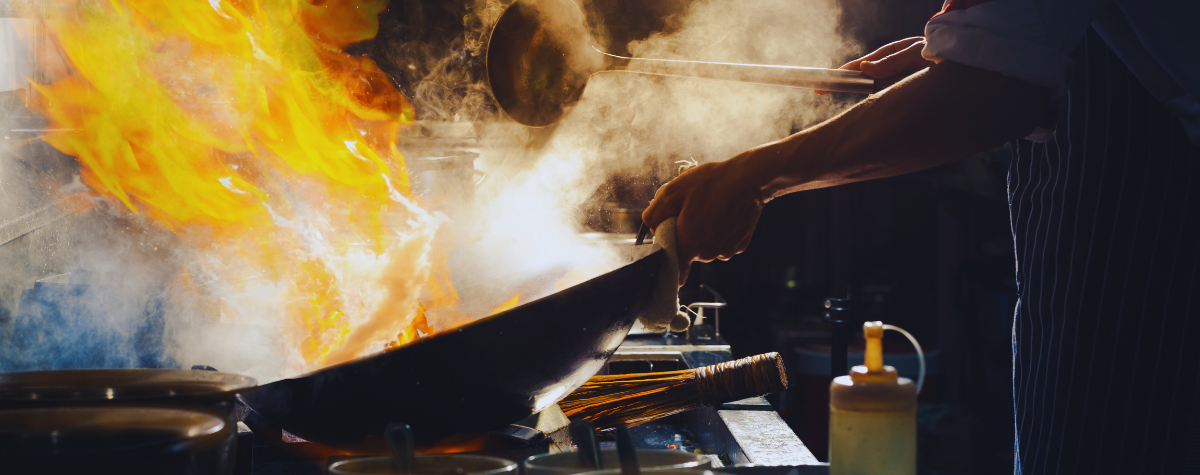
All hospitality venues share one major risk area: the kitchen. Fire safety in the kitchen is critical, as it combines multiple hazards in a confined space, including:
- Open flames, hot plates, and cooking equipment
- Hot oils and fats that can ignite rapidly
- Fast-paced working conditions with multiple staff
- Reduced lighting and physical obstructions, particularly in bar environments
Without appropriate controls, kitchen fires can spread beyond their point of origin in seconds.

How Restaurant Fire Risk Assessments Reduce Fire Risk
A restaurant fire risk assessment is a legal requirement and a fundamental part of responsible venue management. However, assessments are often treated as a one-off task or a box-ticking exercise.
The Swiss bar fire reinforces why fire risk assessments must be:
- Venue-specific, not generic templates
- Updated following changes to layout, decorations or operations
- Based on real-world behaviour, not ideal scenarios
High staff turnover, seasonal decorations, and busy work seasons can all introduce new risks. Regular professional fire risk assessments help ensure these changes do not quietly undermine safety.
Expert insight: Fire risk assessments are not about passing or failing. A well-conducted assessment is judgement-free and focused on practical guidance. The goal is to identify risks early and provide clear, actionable steps to strengthen your fire safety strategy.
Kitchen Suppression Systems: A Critical Layer of Protection
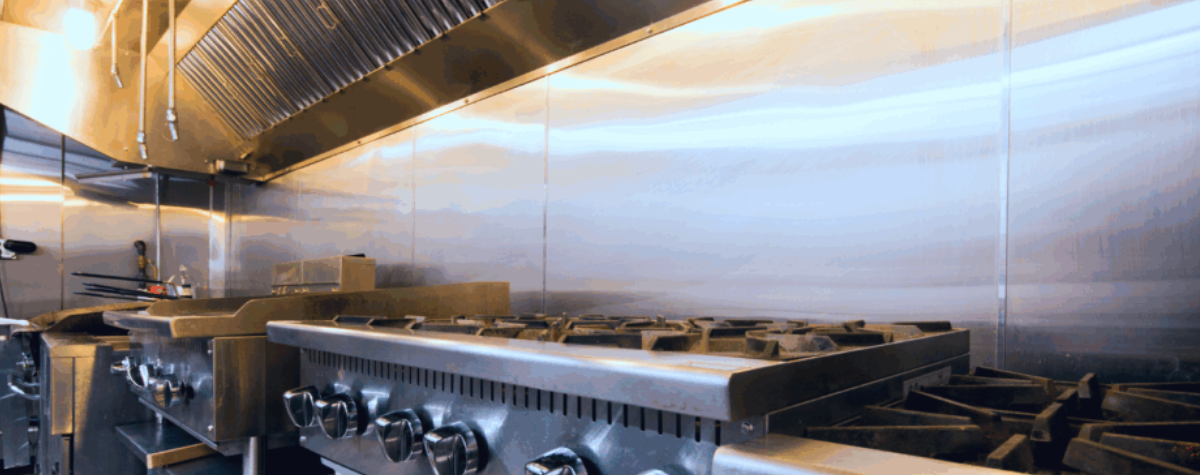
A kitchen suppression system plays a vital role in protecting restaurant fire safety. These systems automatically detect and suppress fires at their source, delivering a localised extinguishing agent directly to the affected area.
Key benefits of a kitchen suppression system include:
- Rapid activation without human intervention
- Containment of fire within seconds
- Reduced damage compared to manual firefighting methods
- Protection in hard-to-reach areas such as hoods and ductwork
Unlike traditional extinguishers, suppression systems are designed specifically for kitchen environments and minimise disruption once deployed.
Expert insight: Automatic fire suppression systems significantly reduce reliance on human response during emergencies. Fires may occur when staff are distracted, inexperienced, or not present at all. In these moments, autonomous suppression can prevent a small incident from becoming a major fire.
OHEAP Fire & Security Are Here to Offer Support
Tragic incidents like this highlight why proactive fire safety measures matter. By investing in regular restaurant fire risk assessments, prioritising fire safety in the kitchen, and installing reliable kitchen suppression systems, hospitality operators can significantly reduce the risk of similar events occurring.
Fire safety often gets misunderstood as an expectation. In reality, it is a responsibility we all share to protect lives.