Blog Overview:
Class E, or electrical fires, are extremely dangerous. If not handled properly, they can:
- Spread quickly,
- Cause significant damage,
- Injury,
- and even death.
Class E fires must be extinguished with electrical fire extinguishers. Especially when other fire extinguishers could fail to suppresses the Class E fire whilst causing extensive damage to the property. At OHEAP Fire & Security, we advise using carbon dioxide extinguishers to rapidly and safely deliver electrical fire suppression.
Electrical Fire Extinguishers: What Businesses Need to Know About Class E Fires
Electrical fires — also known as Class E fires — are among the most dangerous fire risks businesses face. Whether caused by faulty wiring, overloaded sockets or everyday office equipment, electrical fires can spread rapidly and pose a serious risk of injury, electrocution and property damage.
Unlike other fire types, electrical fires cannot be tackled with standard water or foam extinguishers. Using the wrong extinguisher can make the situation significantly worse, increasing the risk of electric shock and accelerating fire spread.
At OHEAP Fire & Security, we support businesses across the UK with electrical fire risk assessments, electrical fire extinguisher servicing and fire safety planning. In this guide, we explain which fire extinguisher to use for an electrical fire, how to respond safely, and how businesses can reduce risk through prevention and professional fire safety management.
Need to know the best fire extinguisher for your home?
Need A Fire Safety Risk Assessment?
What Fire Extinguishers do you use for Electrical Fires
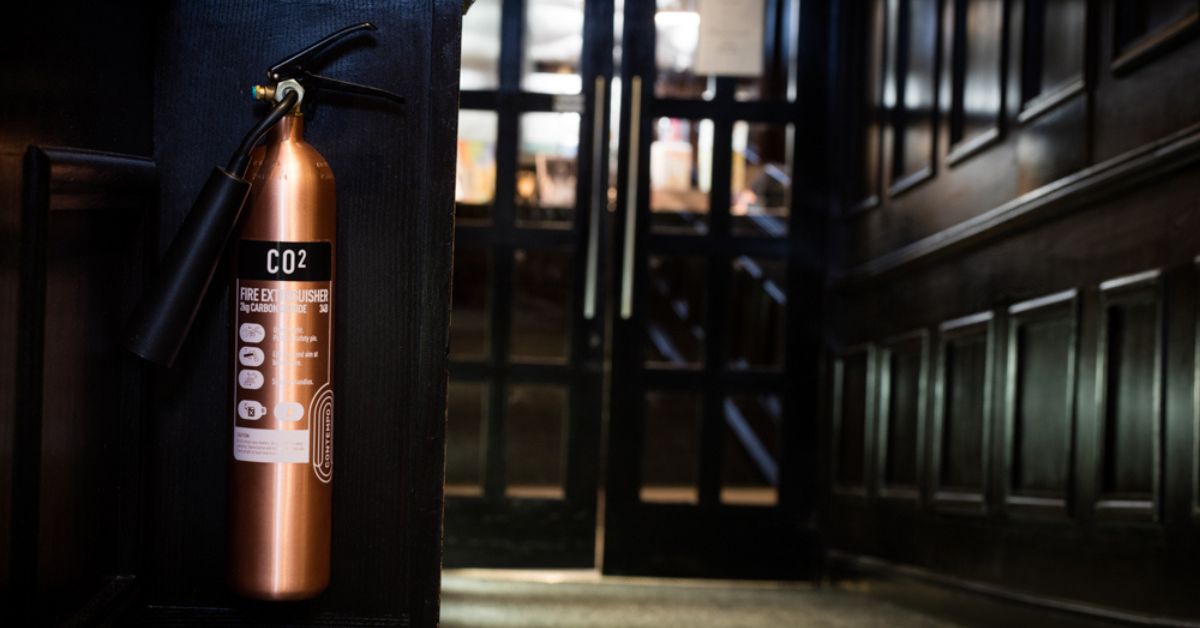
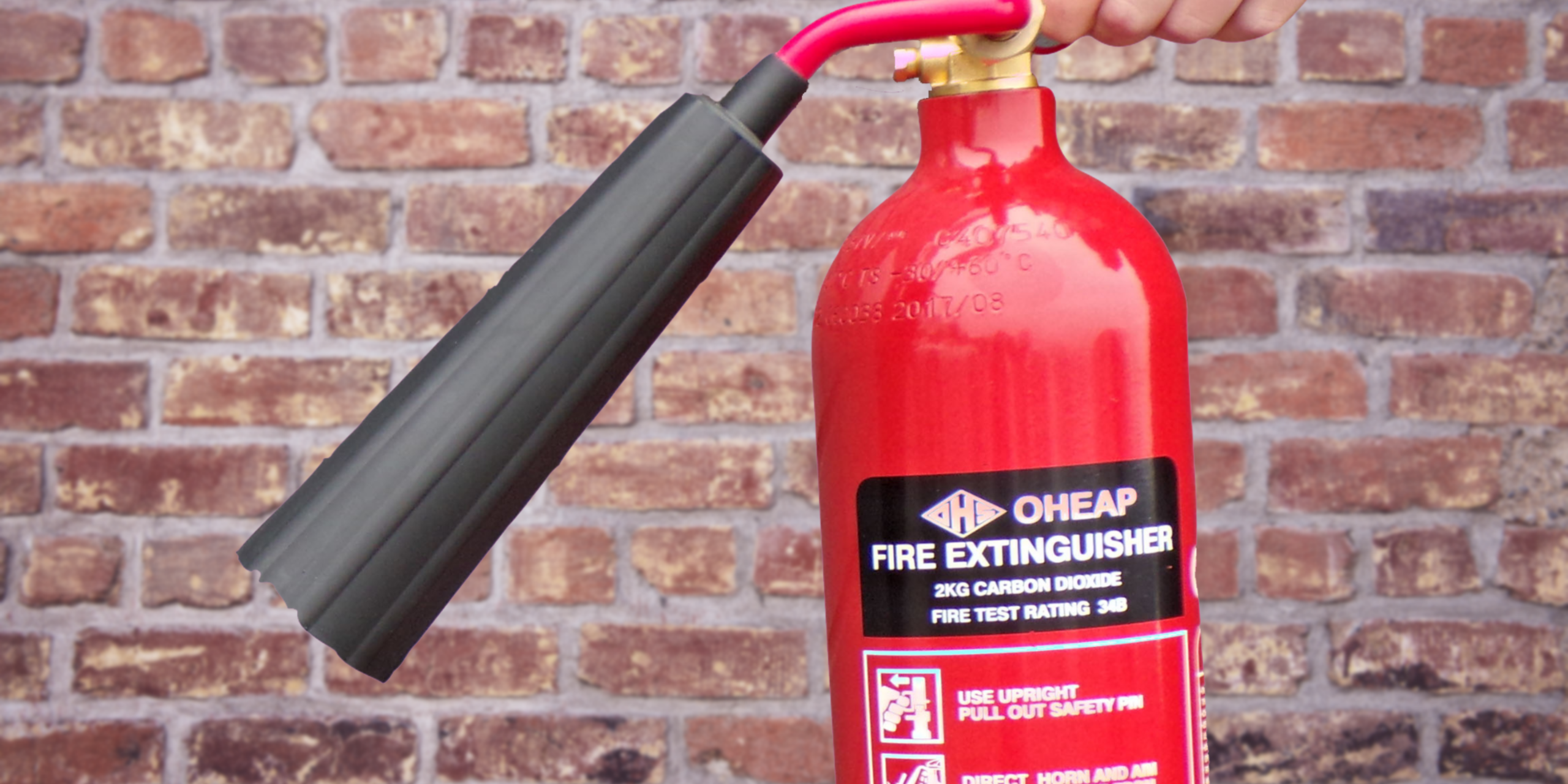
The correct fire extinguisher for an electrical fire is a carbon dioxide (CO₂) extinguisher.
In the UK, Class E fires are tackled using CO₂ extinguishers because they contain a non-conductive extinguishing agent. When discharged, carbon dioxide rapidly displaces oxygen and cools the fire, safely suppressing flames without leaving residue or damaging sensitive electrical equipment.
Water and foam fire extinguishers should never be used on live electrical equipment, as they conduct electricity and significantly increase the risk of electrocution.
Expert Insight: CO₂ extinguishers are highly effective for small electrical fires, but they must be correctly positioned, clearly accessible and regularly serviced to be effective in an emergency.
How To Put Out an Electrical Fire
If you encounter an electrical fire in the workplace:
- Turn off the power supply if it is safe to do so
- Use an electrical fire extinguisher (CO₂ or appropriately rated powder)
- Smother small fires with a fire blanket if no extinguisher is available
- Evacuate immediately if the fire grows or cannot be controlled
- Call emergency services even if the fire appears extinguished
Remember: electrical fires can re-ignite. Professional inspection is essential after any incident.
Preventing Electrical Fires: Taking Actionable Steps
Prevention remains the most effective fire safety strategy for businesses. But what does that mean? Fire risk assessments are the best place to start. A professional fire risk assessment will identify:
- Faulty or overloaded electrical systems
- Inadequate extinguisher types or poor placement
- Obstructions preventing safe access to equipment
At OHEAP, our fire risk assessments provide practical, actionable recommendations, helping businesses stay compliant while significantly reducing electrical fire risk.
Extinguishing an Electrical Fire
With the correct fire safety tools and technique, it is possible for you to safely put out a small electrical fire.
Turning Off the Power Source
If possible, turn off the power source to the affected area. However, if you can’t access the power source, then turn off the main power supply to the building.
When there is an electrical fire, the electrical equipment involved can be live. This means it’s still carrying electricity, even if it’s malfunctioning or damaged. Live and faulty electricals can create a serious risk such as causing electric shocks, extreme heat and fire hazards. Anyone who attempts to put out the fire is at risk. Turning off the power source helps to eliminate this risk and makes the area safe for people to work in.
Also, electrical fires can quickly spread if they are not contained. Turning off the power source can help to stop the spread of the fire and prevent it from causing more damage to the building or equipment.
Turning off the power source for an electrical fire is essential to ensure the safety of people in the area, prevent further damage, and make it easier to extinguish the fire.
When to Use a Fire Blanket
If you don’t have a Class E fire extinguisher, you can try to smother the flames with a fire blanket.
A fire blanket can safely smother the fire without the risk of electrical shock. Simply wrap your hands in the blanket and hold it in a shielding position, then gently place the blanket over the fire with caution.
It’s important to note that not all fire blankets are suitable for electrical fires, so you must check the manufacturer’s instructions before using one. It’s also important to follow the proper safety procedures and contact emergency services if the fire cannot be controlled.
When to Evacuate or Call the Emergency Services:
If the fire is too large or you are unable to put it out safely, evacuate the area immediately and wait for the fire service to arrive.
Dial 999 or 112 and ask for the fire service immediately. Even if you think you’ve put out the fire, it’s important to have the fire service check the area to ensure there are no hotspots or risks of reignition.
Why You Should Use Never Water on An Electrical Fire
Never use water to put out an electrical fire, as water can conduct electricity and may cause electrocution.
Instead, use a fire extinguisher that’s designed for electrical fires. In addition, if you have access to an ABC-rated fire extinguisher, use that one. If a piece of equipment has caught fire and the flames are not too close to the power cord, you should disconnect it. If the flames are close to the power cord, you should stay away from them and call a professional.
The Most Common Cause of Electrical Fires in Businesses
Faulty Appliances
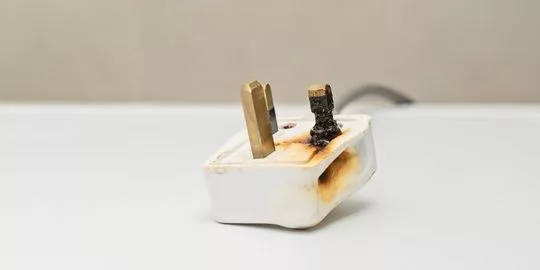
Faulty or outdated electrical appliances are a leading cause of electrical fires. As equipment ages, it can overheat, allowing heat to transfer to nearby combustible materials.
Damaged cords, sockets and switches also present a serious electrical fire risk, particularly when cables are frayed, trapped under rugs or improperly modified. Electrical fire extinguishers are designed to safely tackle fires caused by these faults.
Portable electric heaters are commonly used in workplaces during colder months, but they pose a high electrical fire risk when placed too close to furniture, desks or other flammable materials.
Coil-based space heaters are especially dangerous, as exposed elements can ignite surrounding surfaces almost instantly. An electrical fire extinguisher should always be available where heaters are in use.
Extension cords are intended for temporary use but are frequently misused long-term.
Overloading extension leads or using them as a permanent power source can cause overheating, sparks and electrical fires. Wherever possible, appliances should be plugged directly into wall sockets, with additional outlets installed by a qualified electrician if required.
Damaged Electrical Wiring
Older buildings often have outdated wiring that cannot handle modern electrical demand. Overloaded circuits and deteriorating cables significantly increase the likelihood of an electrical fire.
Regular inspections and maintenance by a qualified electrician are essential to identify issues early and prevent costly and dangerous incidents.
Light Fixtures
Using bulbs with wattage higher than recommended can cause light fittings to overheat, leading to electrical fires.
Lampshades, ceiling materials and nearby fabrics can ignite when exposed to excessive heat. Always follow manufacturer wattage limits and ensure suitable electrical fire extinguishers are in place.
Frequently Asked Questions
Q: What are electrical fire extinguishers used for?
A: Electrical fire extinguishers are used for extinguishing fires that involve electrical equipment such as computers, printers and other electronic devices.
Q: How do electrical fire extinguishers work?
A: Electrical fire extinguishers work by releasing a non-conductive substance, such as carbon dioxide, that suffocates the fire by removing oxygen. They are designed to be safe for use on electrical equipment and will not cause damage to it.
Q: Are electrical fire extinguishers safe for use on other types of fire?
A: Typically, yes carbon dioxide fire extinguishers can be used on flammable liquid fires (Class B fires) and flammable metal fires (Class D). However whenever you have doubt you should check with the manufacturer.
Electrical fire extinguishers cannot be used on Class F fires (hot cooking oil fires) or Class C fires involving flammable gases, such as petrol or propane.
Q: How do I use an electrical fire extinguisher?
A: To use an electrical fire extinguisher, aim the nozzle at the base of the fire and press the handle to release the extinguishing agent. Be sure to stand a safe distance away from the fire, and always read the instructions on the extinguisher before using it.
Q: How often do electrical fire extinguishers need to be serviced?
A: Electrical fire extinguishers should be serviced and inspected at least once a year by a qualified technician to ensure they are in good working condition.
Q: Can I recharge an electrical fire extinguisher myself?
A: No, only qualified professionals should recharge an electrical fire extinguisher. Attempting to recharge an extinguisher yourself can be dangerous and may cause it to malfunction in the future.
Q: What should I do if an electrical fire extinguisher is used?
A: If an electrical fire extinguisher is used, it is important to have it recharged and serviced by a qualified technician as soon as possible to ensure it is ready for use in case of another emergency.
Q. How do I know where to place an electrical fire extinguisher?
A: Electrical fire extinguishers should be placed:
- Near electrical hazards
- Along escape routes
- In visible, unobstructed locations
A fire risk assessment from a professional provider like OHEAP Fire & Security ensures extinguishers are positioned correctly and compliantly.
Q: What should I do if an electrical fire extinguisher is used?
A: If an electrical fire extinguisher is used, it is important to have it recharged and serviced by a qualified technician as soon as possible to ensure it is ready for use in case of another emergency.
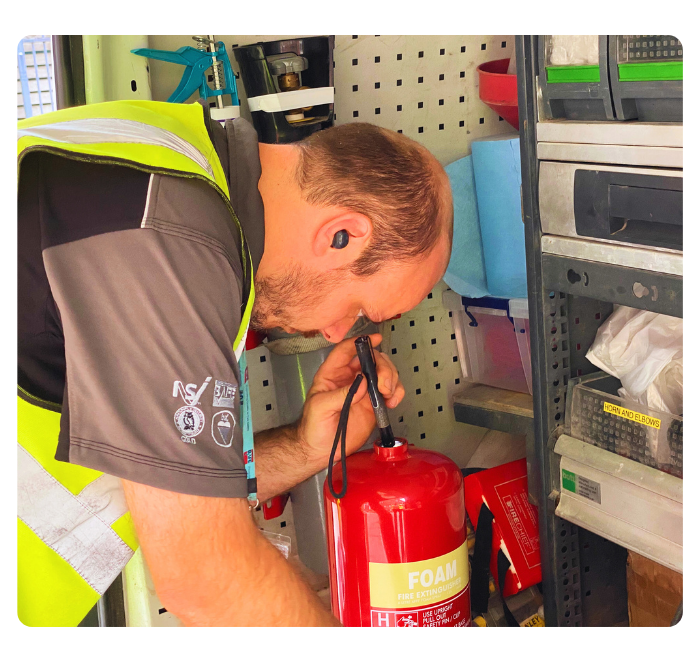
At OHEAP Fire & Security, we offer professional carbon dioxide extinguisher servicing to prevent unnecessary and costly disposal of units.
Conclusion
There are approximately 8,000 electrical fires per year in the UK. These led to about 40 deaths and over 4,000 injuries. That’s why it’s clear that electrical fires pose a serious risk to businesses. However, with the correct electrical fire extinguisher, professional maintenance and a robust fire risk assessment, they are entirely manageable.
OHEAP Fire & Security supports organisations with:
- Electrical fire extinguisher supply, servicing and disposal
- Fire risk assessments tailored to your premises
- Fire blankets and complementary fire safety equipment
If you have any questions about our electrical fire extinguishers, or if you’re in need of one for your home or business, please contact us.