Staying on top of new developments in emergency lighting standards is crucial, especially for those involved in electrical installations. Legislation drives change focused on saving lives and averting potential disasters.
We live in an ever-evolving landscape of safety regulations and standards. Keeping abreast of crucial safety updates is paramount for any UK business. Especially when it concerns employee/public safety.
In recent years, shifts in emergency lighting standards have brought about significant changes. This has impacted many industries and spaces where safety is of utmost concern.
Emergency Lighting, Why We Use It
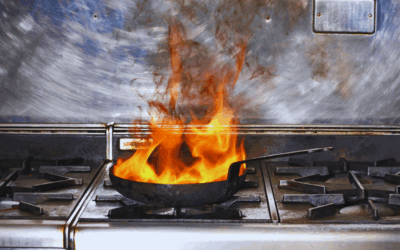
Emergency lighting plays a crucial role in fire safety. It provides illumination in situations where normal lighting would fail due to power outages caused by fires or other emergencies.
In the event of a fire, smoke can quickly fill a building, therefore, obscuring visibility. Occupants need to be able to navigate safely to fire exits. Emergency lighting is typically equipped with a battery backup or an independent power source. By utilising these power sources, we can ensure that escape routes remain visible and identifiable.
Emergency Lighting Standards, What’s Coming?
Several upcoming changes are set to modify the best practices advised for emergency lighting. These are all due in the next few months. Any revisions will affect both modifications to current installations and the necessary maintenance practices in buildings nationwide. More specifically, these changes target two crucial British Standards: BS EN 50172:2004 and BS EN 1838:2013.

What is BS EN 50172:2004?
BS EN 50172:2004 outlines the essential criteria for designing, installing and managing emergency escape lighting systems. This British Standard specifically concentrates on illuminating emergency exits within buildings. By following this standard, you guarantee that sufficient lighting is available in case of a power outage. The aim is to facilitate a safe evacuation from the building.
Changes to BS EN 50172:2004
The key revisions in this standard primarily concern the inspection and evaluation of both lighting fixtures and systems. Additionally, ongoing daily, monthly and yearly verification tests.
Changes to BS EN 1838:2013
BS EN 1838:2013 is concerned with defining the required levels of emergency lighting illumination. This consists of intensity, duration and colour hue. The emergency lighting standard mandates continuous illumination must be established through a fire risk assessment.
You are required to supply a minimum of:
- 1 Lux on escape routes up to 2m wide.
- 0.5 Lux in open areas exceeding 60m (excluding a 0.5m border along the perimeter).
- Safety lighting in localised areas must sustain for at least one hour.
- The illumination along escape routes, extending from the safety zone to the final exit, should persist for a duration equal to or exceeding that of the localised safety lighting.
This standard covers both temporary and permanently installed emergency lighting. It includes self-contained luminaires equipped with integrated batteries, centrally powered luminaires, and those powered by a central generator.
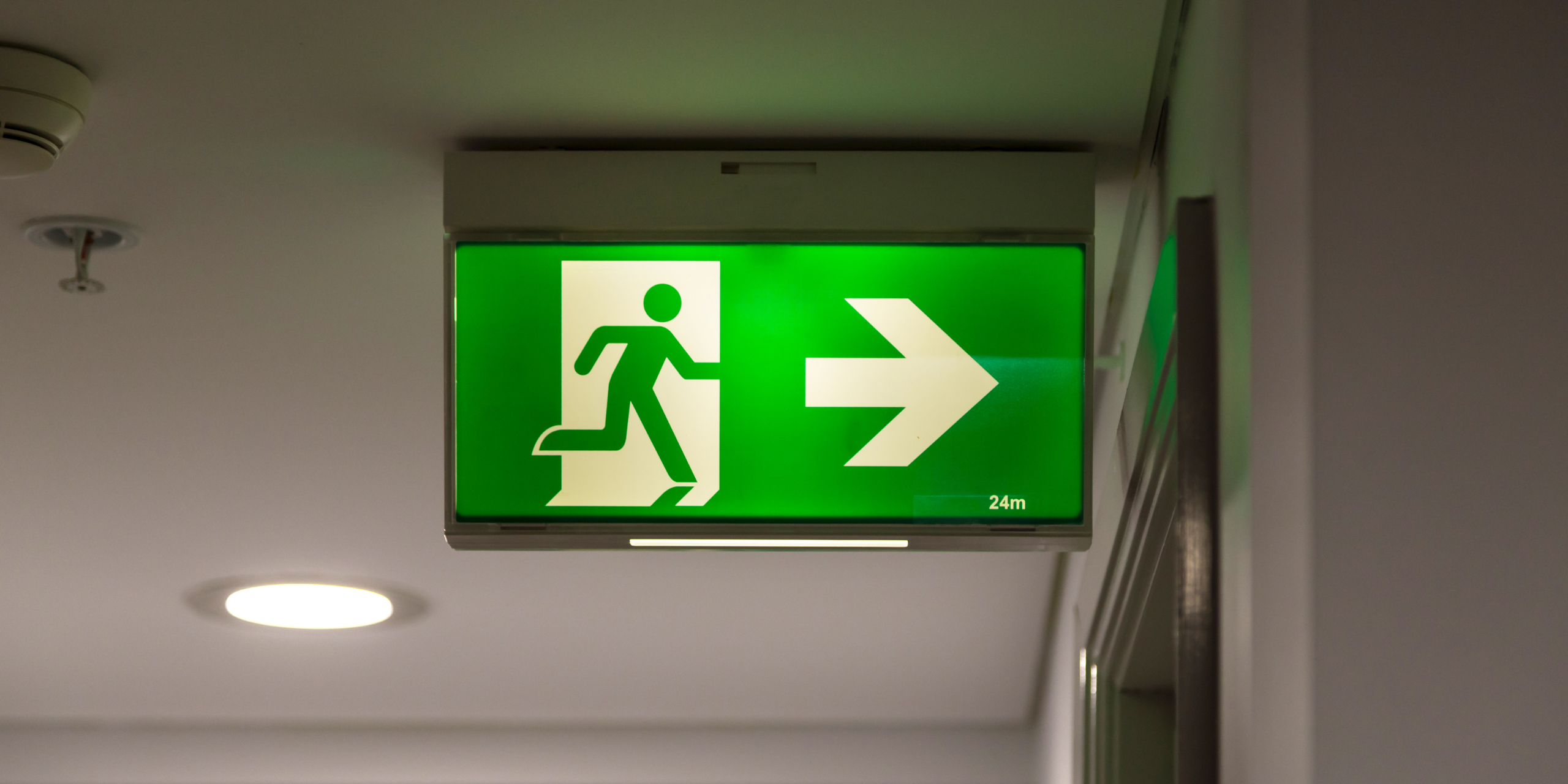
Emergency Lighting Standards prEN1838
The emergency lighting standard, prEN1838, is centred around Adaptive Emergency Escape Lighting Systems also known as AEELS. Recent changes to this legislation now means you are recommended to use AEELS in all types of buildings.
AEELS are highly intuitive and therefore these changes are welcomed when improving the effectiveness of emergency evacuations. Programmed to adapt to changing conditions, these AEELS are perfect when providing clear and efficient illumination when guiding occupants to safety. Using sensors we can harness intelligent technology to automatically change fire escape directions, lighting levels and visibility of emergency signage.
Conclusion
In conclusion, staying updated on the evolving landscape of emergency lighting standards remains a critical priority, especially within the realm of electrical installations. Legislative changes drive the focus on saving lives and preventing potential disasters, making it imperative for UK businesses to keep abreast of crucial safety updates that impact both employee and public safety.
The significance of emergency lighting standards in fire safety cannot be overstated. It serves as a crucial element during power outages caused by emergencies like fires, ensuring visibility along escape routes, vital for occupants to safely navigate to fire exits. With battery backups or independent power sources, emergency lighting becomes instrumental in maintaining visibility during crises.