
Fire Protection
Fire Hydrants
Annual maintenance and servicing of your fire hydrant is recommended, and the responsibility of the landowner. Make sure the fire service has access to a reliable water supply in the event of a fire – it will save lives.
Request a Call Back - Fire Hydrants
Fire Hydrant Servicing
A fire hydrant serves as a critical access point for firefighters, supplying water in emergencies. It can be either underground or a visible above-ground pillar. Hydrants are vital for active firefighting, so they must remain unobstructed and properly maintained.
The presence of a fire hydrant plays a crucial role in the effectiveness of firefighting efforts, making it a vital component of public fire safety systems. This also highlights the importance of fire hydrant flow testing as a key aspect of fire protection.
What We Offer
The two core regulations for fire hydrant testing include The Building Regulations 2010 (Part B: Fire Safety) and British Standard BS 9990:2015.
Music by levegen Poltavskyi from Pixabay
Fire Hydrant Servicing
Fire hydrant maintenance includes flow testing and routine upkeep.
Regular inspections are crucial to ensure hydrants operate properly in emergencies, guaranteeing their reliability and effectiveness when needed most.
Whether it’s a residential, commercial or industrial building, or simply a high-risk area, fire hydrants play a critical role in fire safety.
Pre-test Inspection
Static Pressure Measurement
Flow Rate Measurement
If you’re looking for detailed information about the maintenance of a fire hydrant, visit our complete guide to Fire Hydrants. This guide gives full details on what a fire hydrant is and how it works. It then dives into the details with flow rates explained and how maintenance and flow testing actually work. It gives a step-by-step guide so you know what to expect when you book your fire hydrant service.
How Often Should Fire Hydrants Be Serviced?
In the UK, fire hydrants should undergo a comprehensive inspection and basic maintenance at least once a year. Regular servicing helps identify potential issues and keeps hydrants in optimal working condition.
Flow tests, which confirm the hydrant’s ability to deliver the necessary water volume and pressure, will be conducted every service visit.
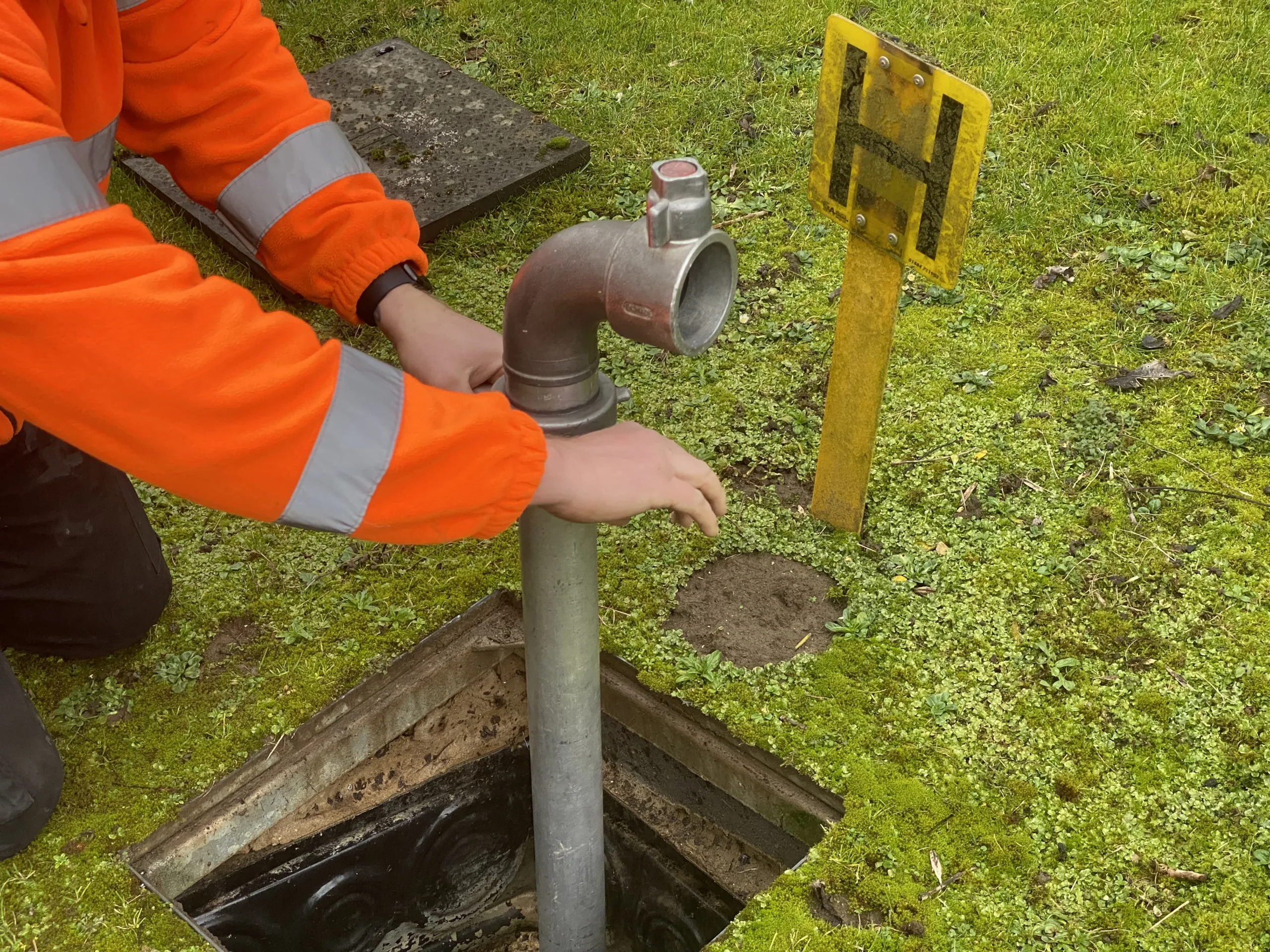
If you need your fire hydrant serviced and flow tested, OHEAP Fire and Security are here to help. We can also advise on repairs and flow reductions where necessary. Contact us today for a quote to get your fire hydrant serviced and tested.
Accreditations
We work with several third-party bodies to ensure we work to the highest industry standards.




Get A Quote
PAGE: Fire Hydrant
Fire and Security System Insights
Servicing Dry Risers and Wet Risers | A Complete Guide
Fires can spread rapidly. In high-rise buildings, the risk of rapid-fire spread increases along with the potential danger of people becoming trapped in burning rooms, unable to evacuate safely. Large buildings also pose a unique challenge: if a fire starts suddenly on...
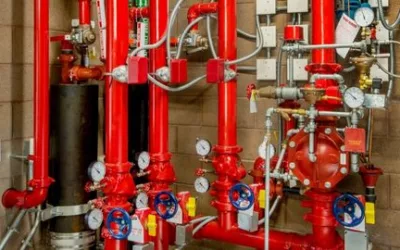
A Complete Guide to Fire Suppression
Achieving long-term fire safety begins with being proactive. This involves taking the time to select and equip your space with the appropriate tools while being prepared for the unexpected. This approach is especially crucial for high-risk environments such as...

Fire Risk Assessments | A Complete Guide for Hotels
Hotels constantly welcome new guests. With that comes the increased likelihood of accidental fires. Many hotel occupants will have a limited understanding of the building layout, which can lead to fires burning unnoticed or remaining hidden until too late. Proactive...
The Role of Fire Safety Training
Why is Fire Safety Training So Important? Fire Safety Training serves as a tool and a legal requirement. Fire training creates a proactive, fire-safe culture by educating staff on fire prevention, the proper use of fire safety equipment and the necessary steps for...

Prison Security Systems: Advanced Security Measures
Prison security systems are essential for maintaining order and preventing potential threats from escalating within the high-risk environment. Ensuring the safety of inmates, staff, and the public is paramount. However, manually maintaining the safety of these spaces...
Logistics’ Security Systems & ANPR | Protect Your Supply Chain
Protecting your logistics security systems and valuable goods starts with proactive security measures. Without investing in effective security solutions, you may unintentionally allow unauthorised access - and seriously affect the safety of your stock! Of course,...