Blog Overview
In this guide, we break down the key fire alarm updates introduced in BS 5839-1:2025. From new design and cabling rules to updated installation and maintenance standards, we’ll cover what’s changed, what it means for compliance, and how you can prepare your systems for the new requirements.
How BS 5839-1:2025 Impacts Fire Alarm Regulations
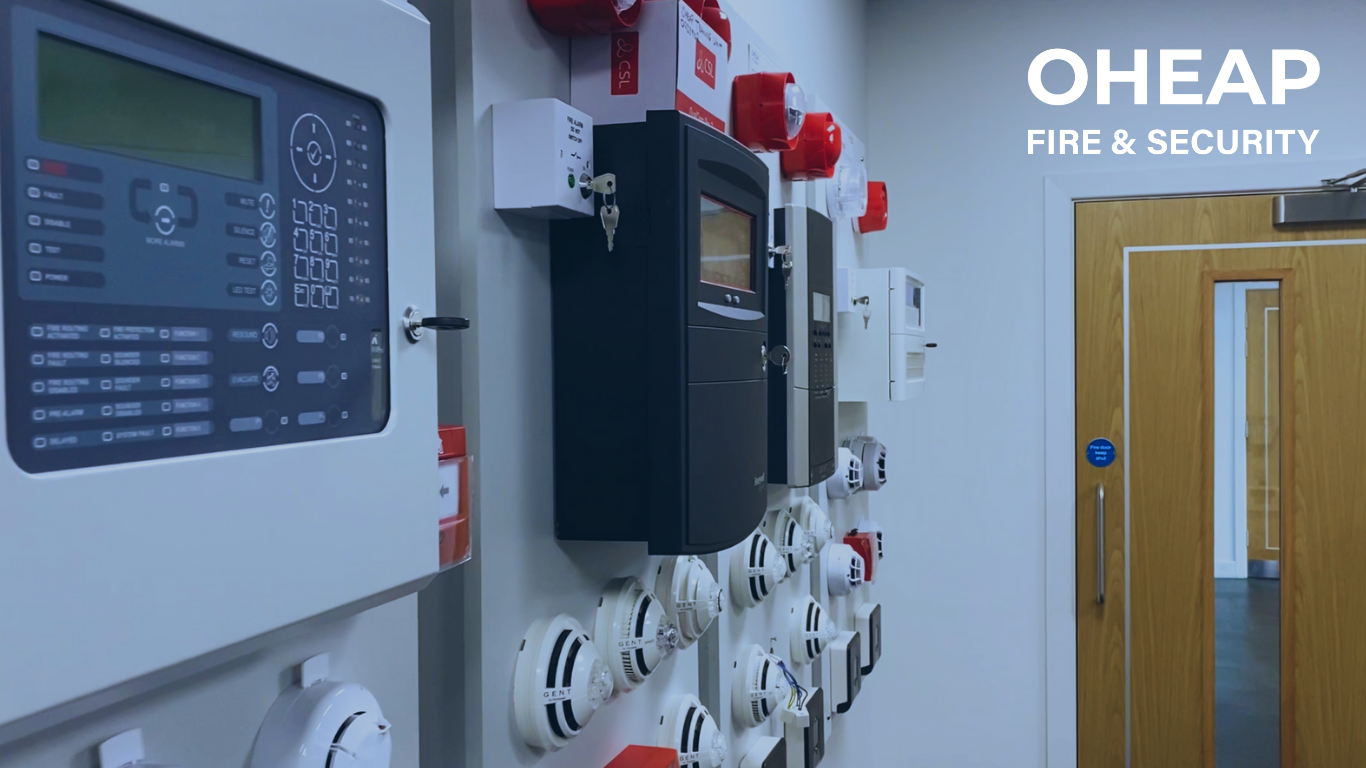
The new BS 5839-1:2025 brings the biggest update to how UK fire alarms are designed, installed and maintained in recent years.
New standards can feel daunting. That’s where we come in. So, whether you manage a building, install fire detection systems, or oversee compliance, this guide explains everything you need to stay safe, compliant, and ahead of the curve.
Why Following BS 5839-1:2025 Matters
Staying compliant with the latest UK fire alarm regulations starts with following BS 5839-1:2025. Alongside this, businesses must continue to meet existing legislation, including:
Together, these laws ensure that every building has a correctly designed, installed, and maintained fire detection system that supports early warning and safe evacuation.
Now, let’s look at what’s changed in how fire alarm systems are designed and verified under the new standard.
How Fire Alarm Design Requirements Have Changed
The 2025 revision of BS 5839-1 strengthens the focus on system performance and consistency. Two major design principles stand out:
- Competent design: Every fire alarm system must now be designed by a competent person who understands both the standard and the building’s specific fire risk.
- Design verification: Wherever possible, the designer should witness system testing to confirm the fire detection system operates exactly as intended.
These changes help guarantee that systems perform as designed when it matters most.
Designing Fire Alarm Systems for Maximum Protection
Every building is unique and will require tailored fire alarm designs for total protection. In turn, every fire alarm system must reflect the intended level of fire protection (whether for life safety [Categories L1-L5] or property protection [P1-P2]).
Therefore, the designer, building owner, and responsible person must agree on this scope and document any variations. Once the design is finalised, a Design Certificate must be issued. This certificate is separate from installation or commissioning certificates.
This distinction is vital for clarity and compliance under the new standard.
Fire Alarm Cabling: Stricter Standards for Safety
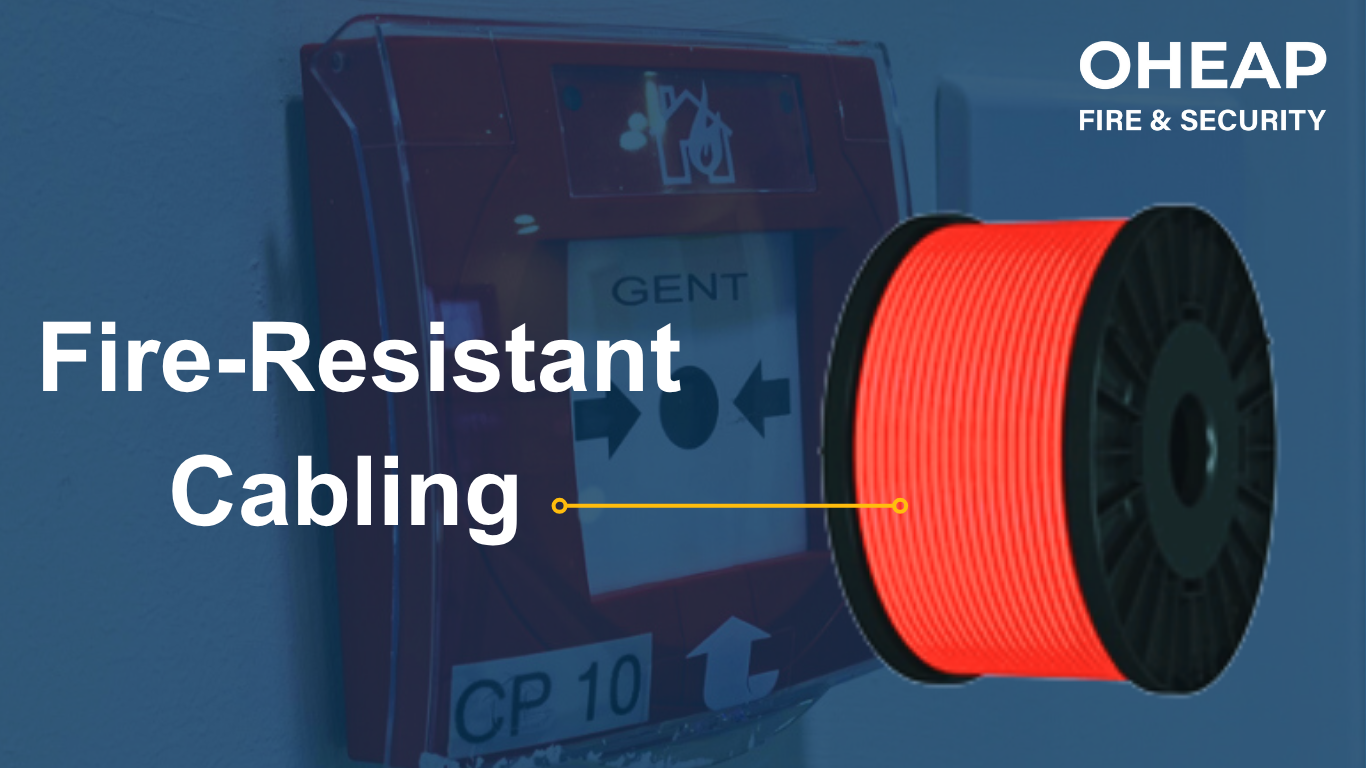
BS 5839-1:2025 introduces critical updates in cabling requirements:
- All fire alarm wiring must now use fire-resistant (FR) cable, including the mains supply.
- Non-FR cable, even if mechanically protected, is no longer compliant.
- Mains fire alarm cables must be red to ensure clear and consistent identification across systems.
These changes improve resilience and make maintenance safer and more efficient.
Other Fire Alarm Design Recommendations Included in BS 5839-1:2025
To support traceability and transparency, design documentation must clearly show:
- Types and locations of all detectors and manual call points
- Positions of sounders, visual alarms, and control interfaces
- Any justified variations from the standard
- Measures taken to reduce false alarms
This added level of detail not only supports compliance but also makes future maintenance and audits simpler.
Updated Fire Alarm Maintenance Rules for 2025
Ongoing fire alarm maintenance is just as important as correct installation. BS 5839-1:2025 sets clearer expectations for long-term fire alarm reliability:
- Unused Equipment: Any unused detectors or wiring must be fully removed, not just disconnected.
- Service Intervals: Six-monthly checks remain best practice, but a 5–7-month window between inspections is now acceptable.
- Documentation: Any deviations or site-specific compromises must be clearly recorded in the logbook.
- Interface Access: All interfaces (fire door controls, lift overrides) must be readily accessible for testing.
- Control Panel Clocks: Must be checked and corrected at every visit to maintain accurate event logs.
- Engineer Competence: Those servicing systems must demonstrate ongoing CPD (Continuing Professional Development).
These changes prioritise accountability and ensure fire alarm systems remain reliable throughout their lifespan.
Inclusive Safety: Visual Alarms, Zone Plans and Automated Alerts
With a growing focus on inclusive safety, the following updates aim to protect a wider range of building occupants:
- Visual Alarms: Now essential for deaf users.
- Zone Plans: Must be clearly displayed in multi-zoned buildings, particularly those with sleeping areas.
- Automated Alerts: In residential care settings, fire alarms must automatically notify a monitoring centre to speed up emergency response.

How Fire Detection System Installation is Affected
BS 5839-1:2025 demands the strategic placement of fire alarm installation to target vulnerable areas.
Sleeping areas, top of lift shafts and low risk lobbies all now call for consideration when installing fire alarms. Notably, smoke detectors are now preferred in place of heat alarms for protecting sleeping areas. This ensures that the detection device can pick up early warning signs of fire faster.
Consideration must also be given to surrounding elements like ductwork or beams that could interfere with the detector coverage.
Expert Tip: A fire risk assessment (FRA) helps determine the risk level of each area and the type of fire alarm system you need. At OHEAP Fire & Security, our qualified assessors carry out FRAs that meet the latest BS 8674:2025 standards to ensure your fire safety plan is both compliant and practical.
Need Expert Support? We’re Here to Help
Not sure if your current system meets the new BS 5839-1:2025 requirements? Our fire safety experts can review your setup, identify any gaps, and help you plan your next steps with confidence.
Get in touch with OHEAP Fire & Security to arrange a free consultation today.